
MOTOKANE Series
 |
|
 |
|
 |
 |
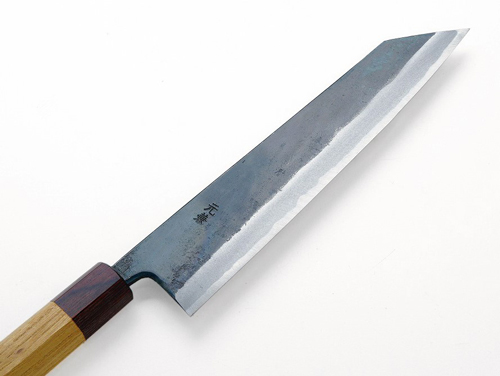
MOTOKANE Tosa KUROUCHI knifeThis is a black-finished knife made by one of the leading craftsmen of Tosa handmade knives, a tradition that has been handed down in Kochi Prefecture in the Tosa region. Please use these traditional Japanese knives, |
|
| List of Tosa KUROUCHI knives | |
|
Click on each product name or image to be directed to each product category. |
|
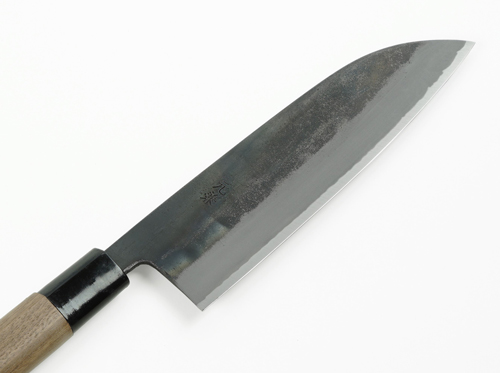
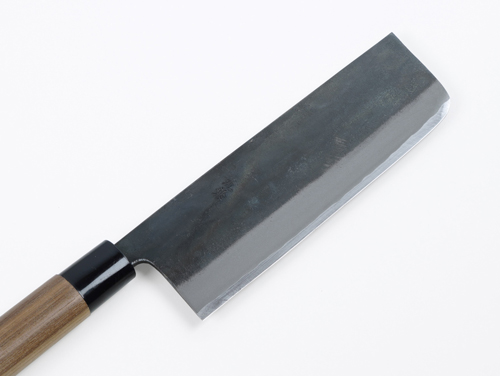
| Santoku Knife | Nakiri knife | Gyuto Knife |
 |
 |
 |
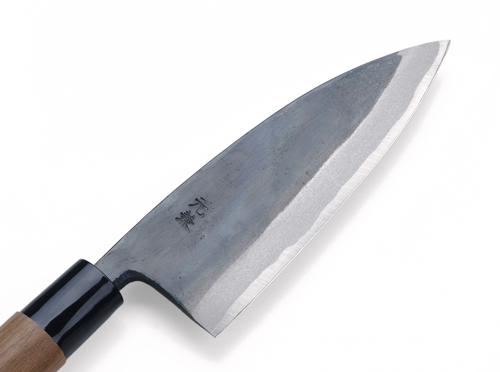
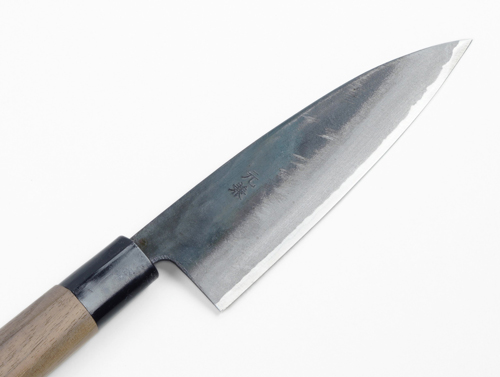
| Yanagiba knife | Deba knife | Funayuki Knife |
 |
 |
 |
| Sujihiki Knife | Kiritsuke Gyuto | Paring Knife |
 |
 |
 |

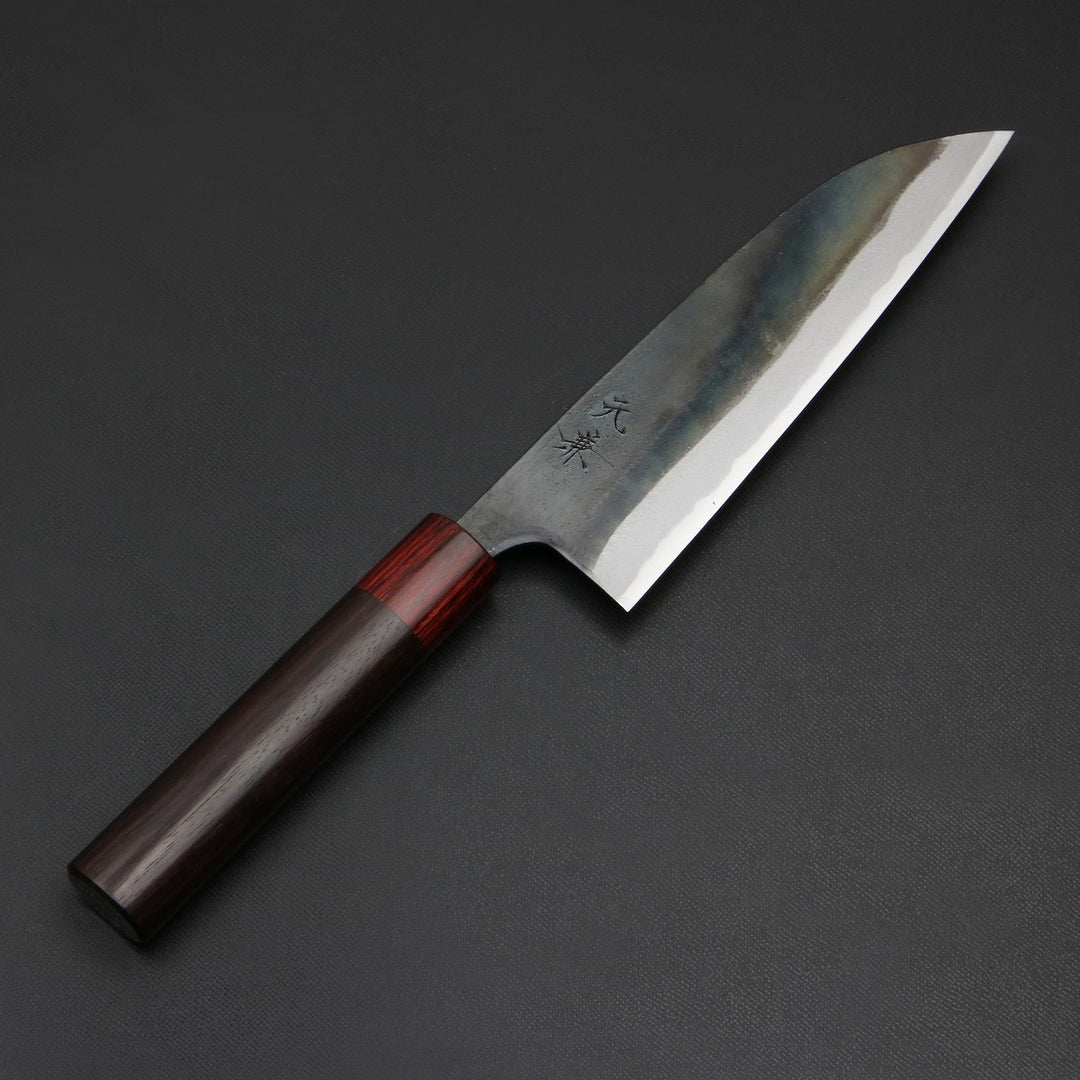
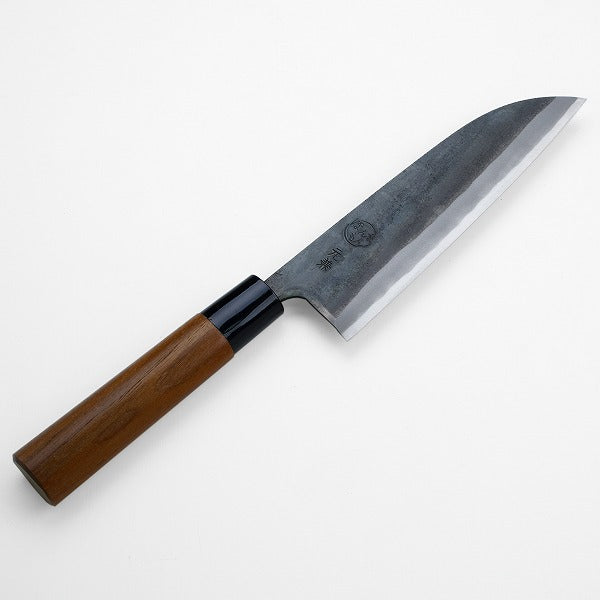
The Best 3 of Santoku Knife

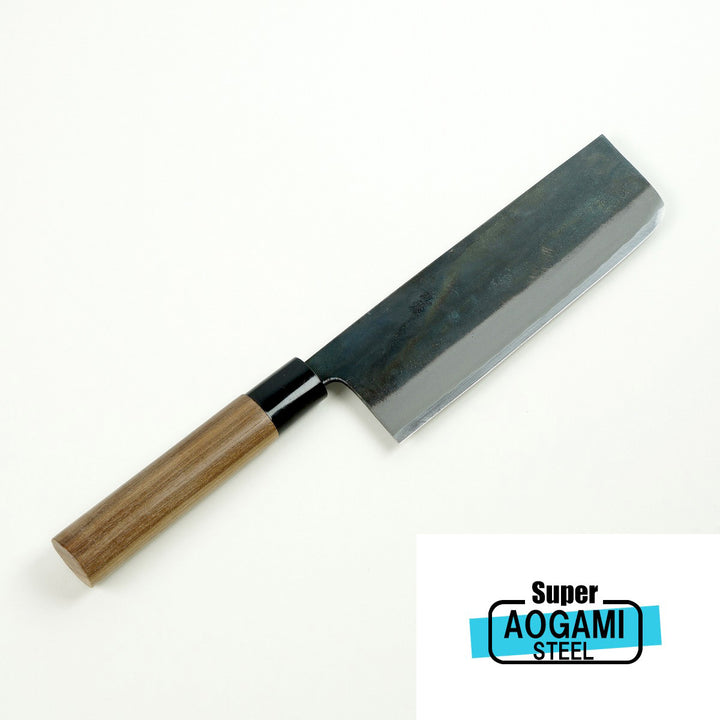
The Best 3 of Nakiri Knife
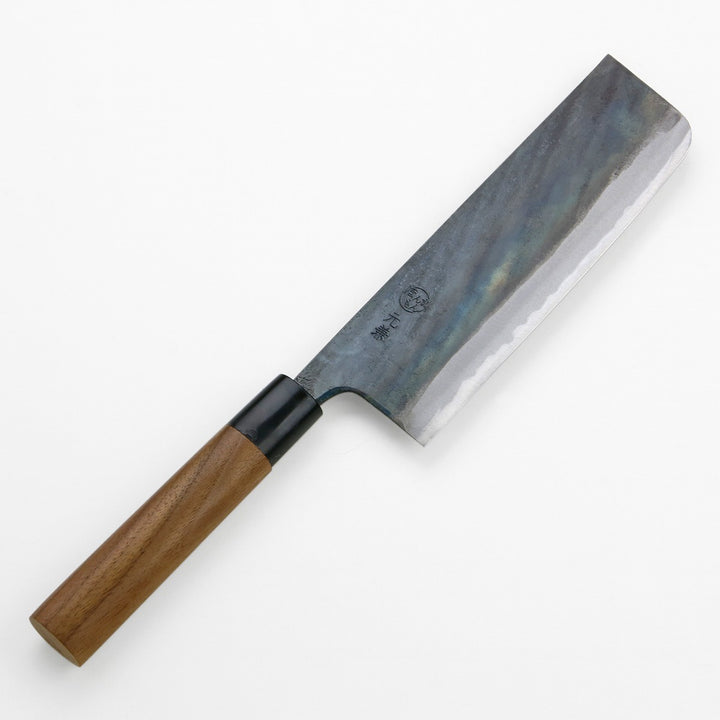

The Best 3 of Gyuto Knife
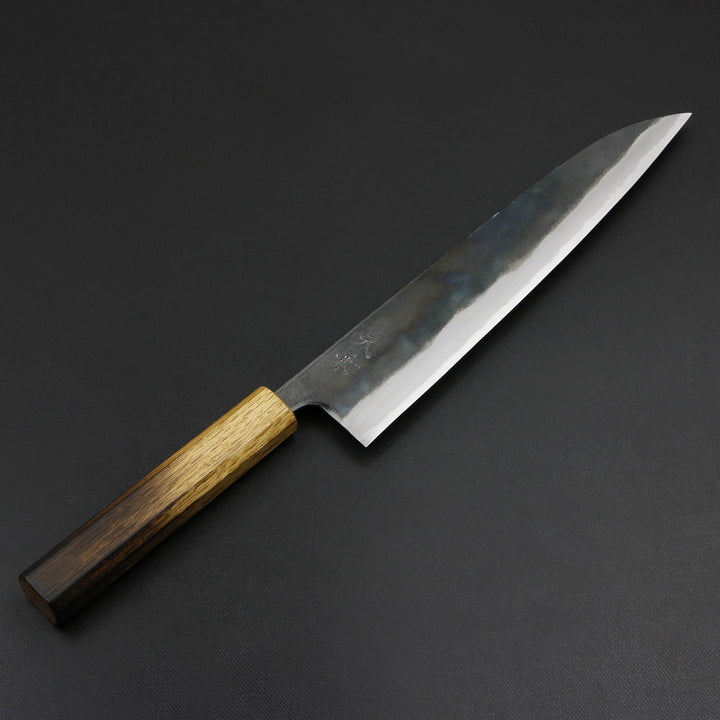
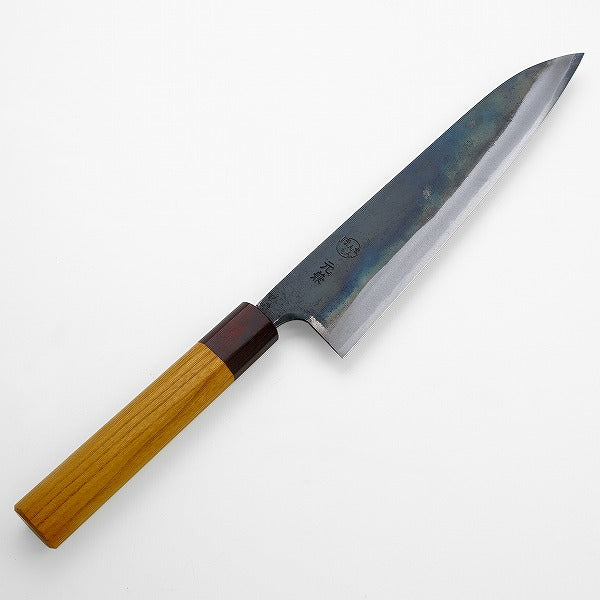
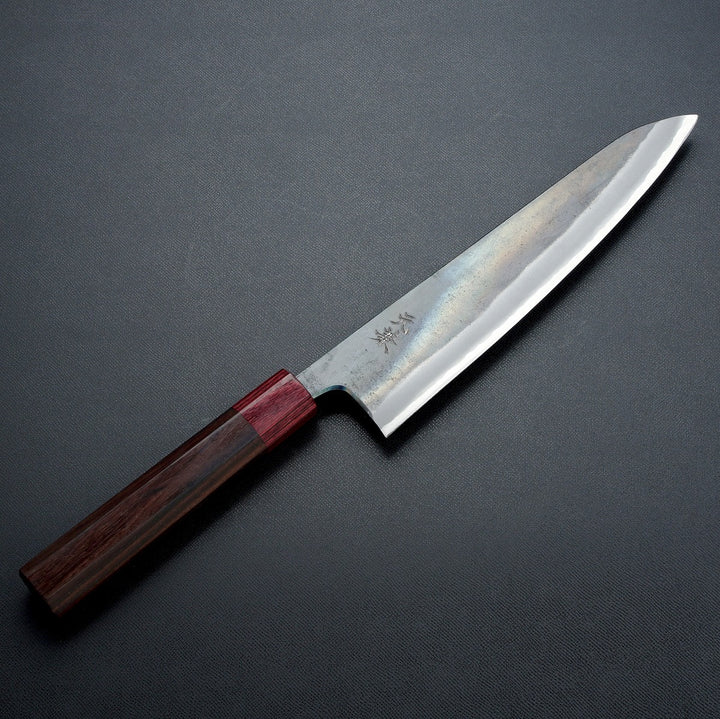

The Best 3 of Sashimi Knife
 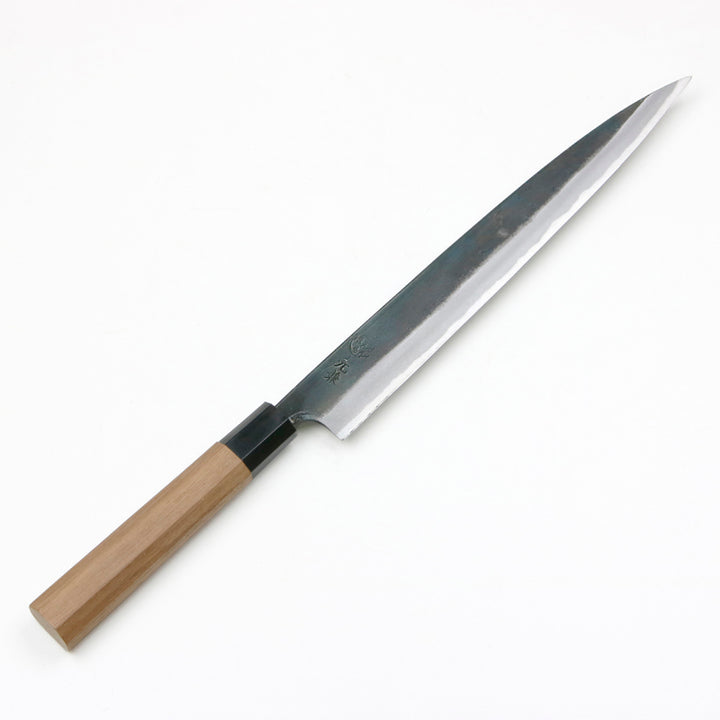 "MOTOKANE" Kurouchi 
|
 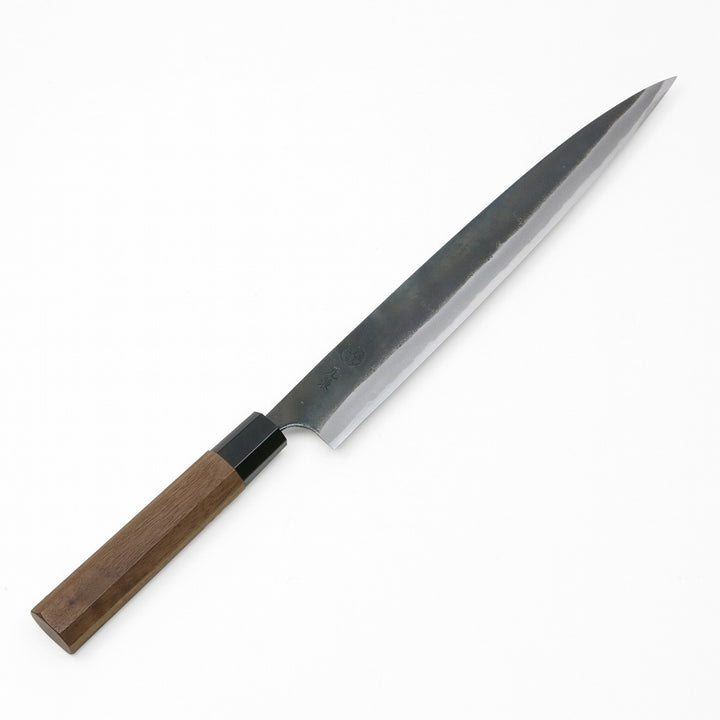 "MOTOKANE" Kurouchi
|
 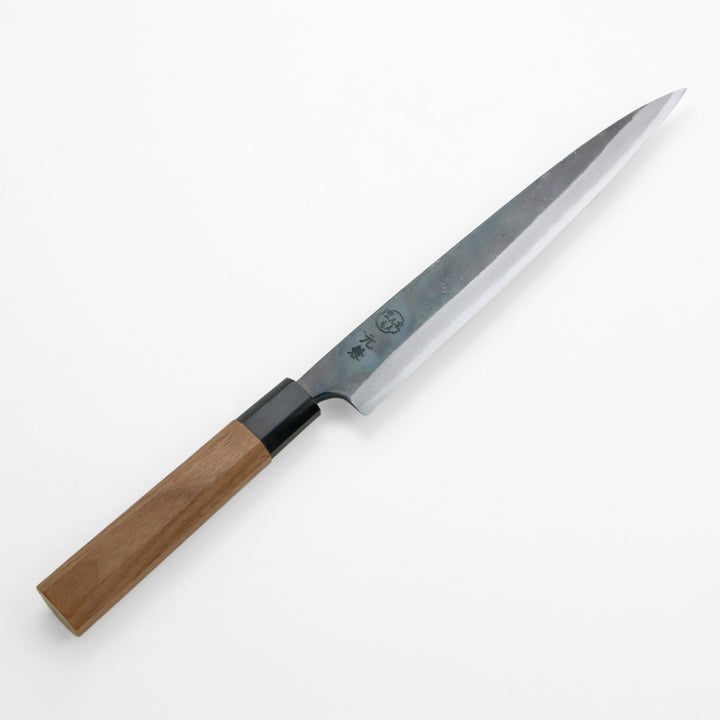 "MOTOKANE" Kurouchi
|

The Best 3 of Deba Knife
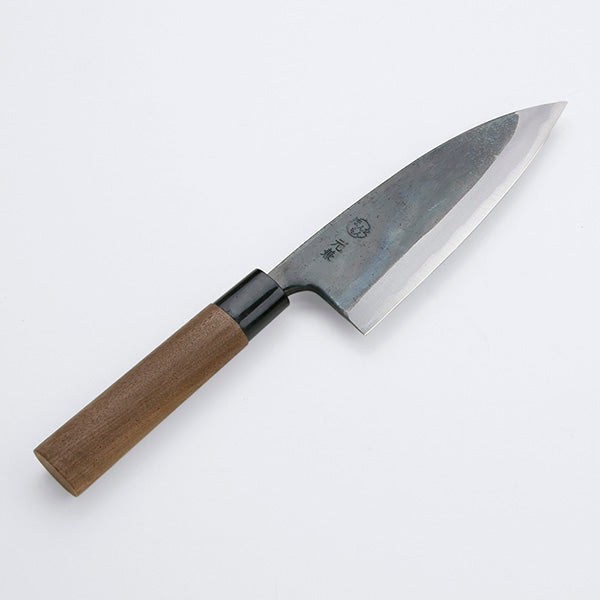 "MOTOKANE" Kurouchi
|
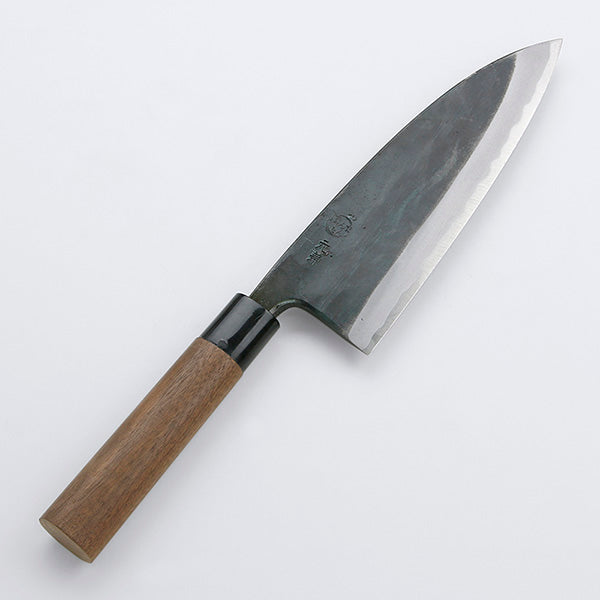 "MOTOKANE" Kurouchi
|
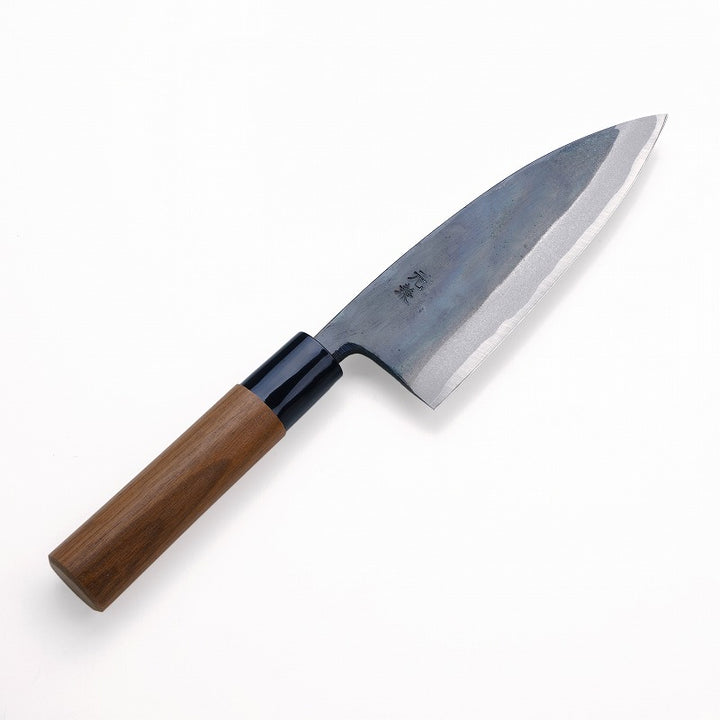 "MOTOKANE" Kurouchi
|

The Best 3 of Funayuki Knife
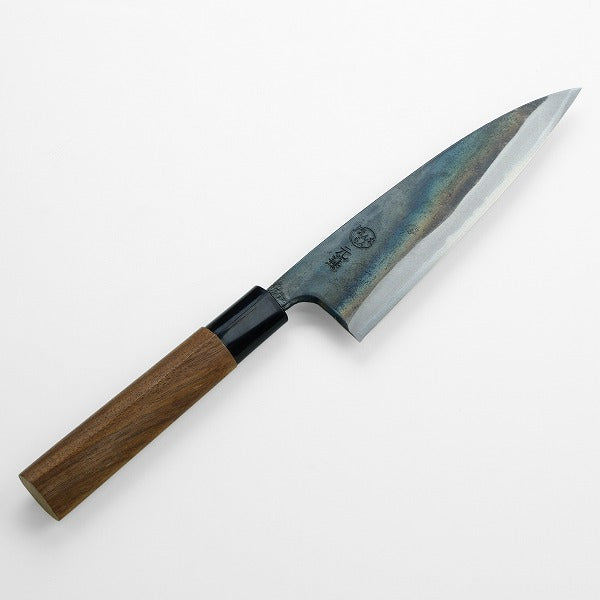 "MOTOKANE" Kurouchi
|
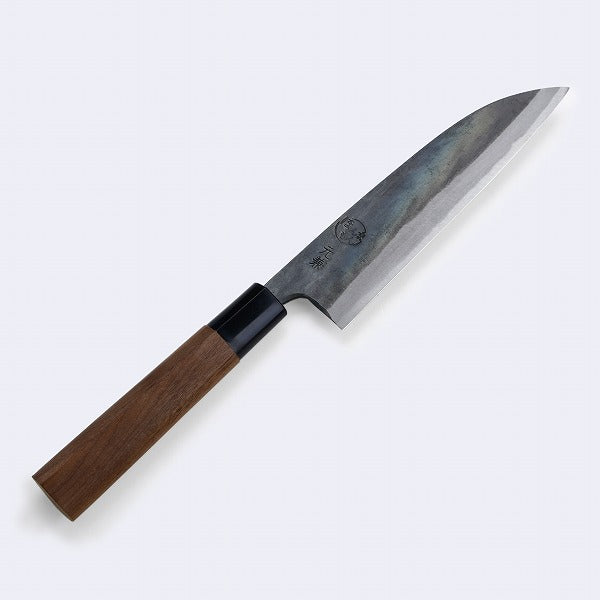 "MOTOKANE" Kurouchi
|
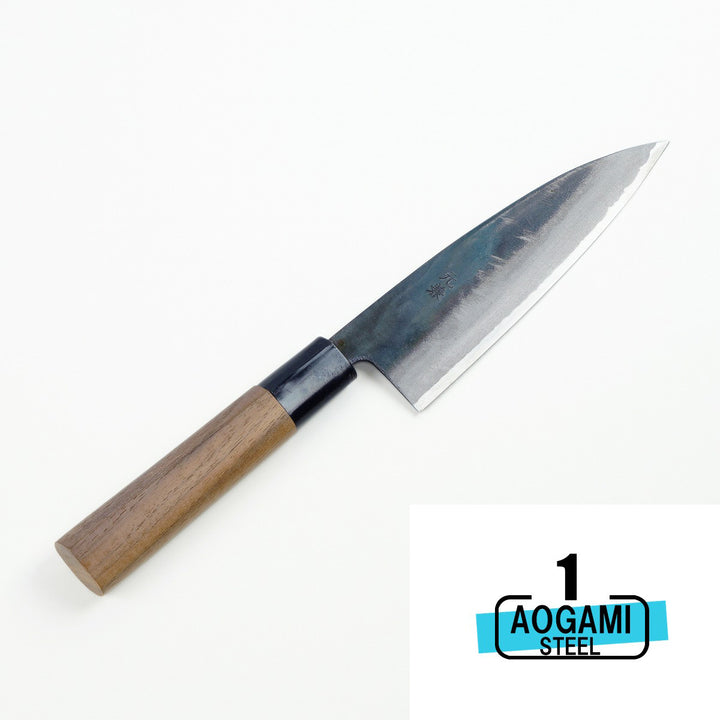 "MOTOKANE" Kurouchi
|

The Best 3 of Sujihiki Knife
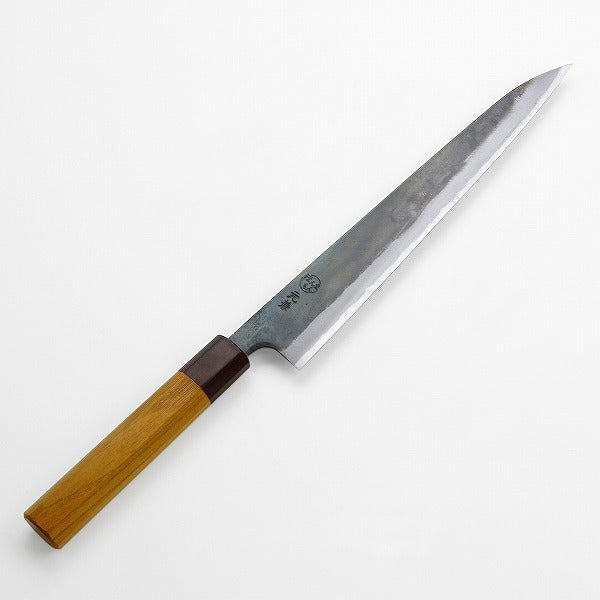
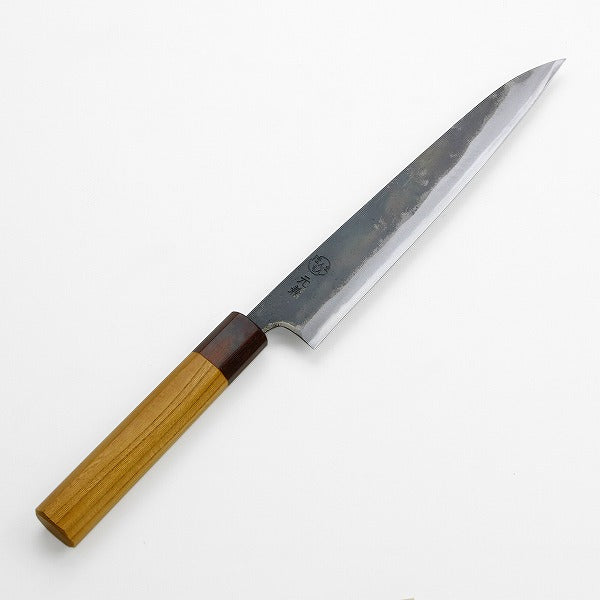
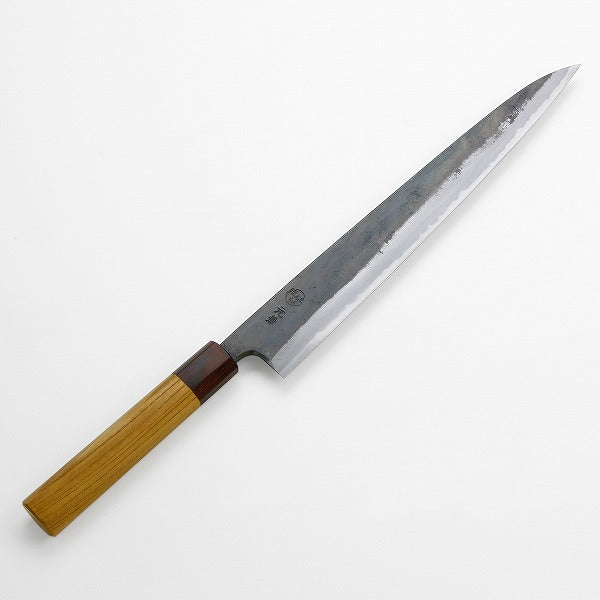

The Best 3 of Kiritsuke Gyuto Knife
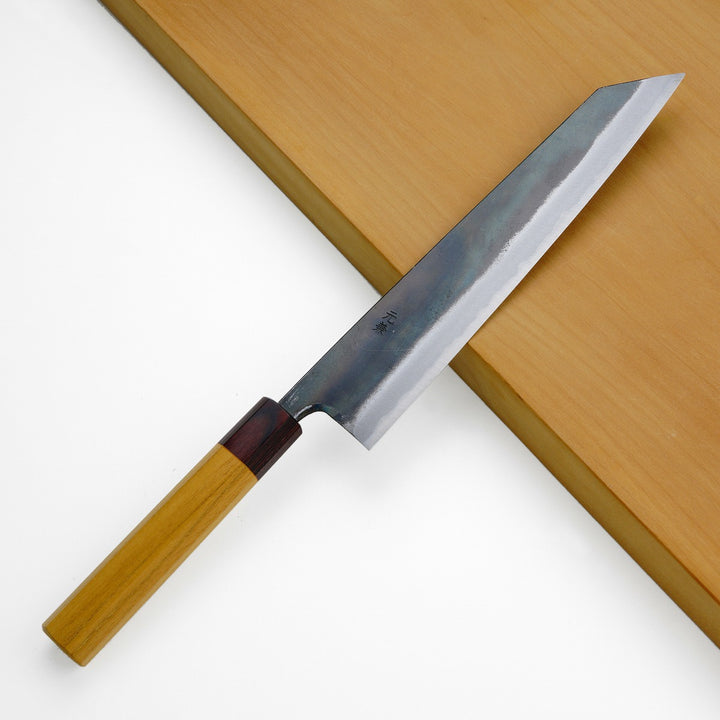
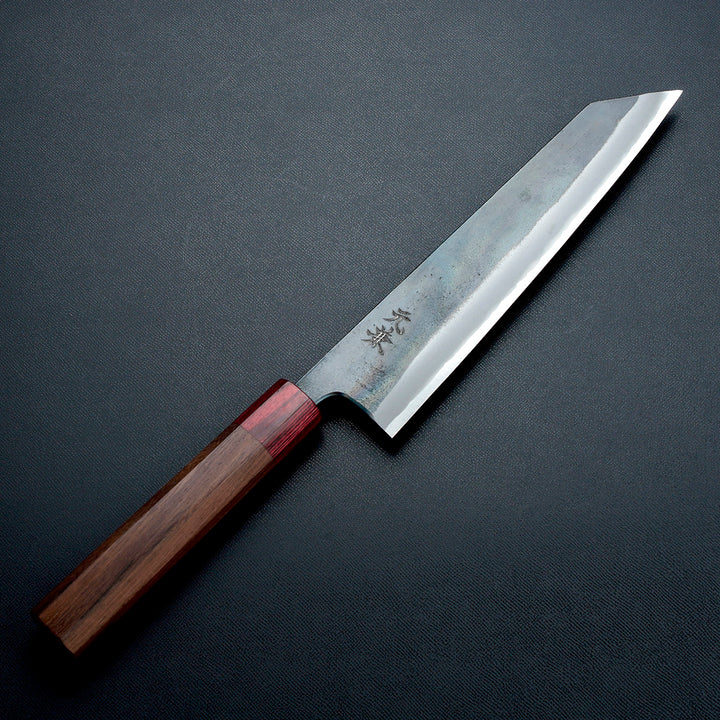

The Best 2 of Paring Knife
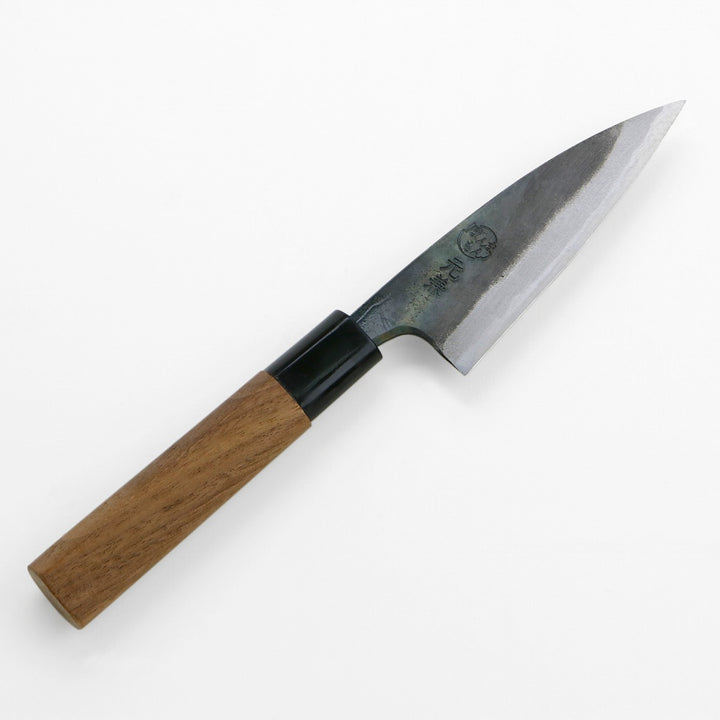 "MOTOKANE" Kurouchi
|
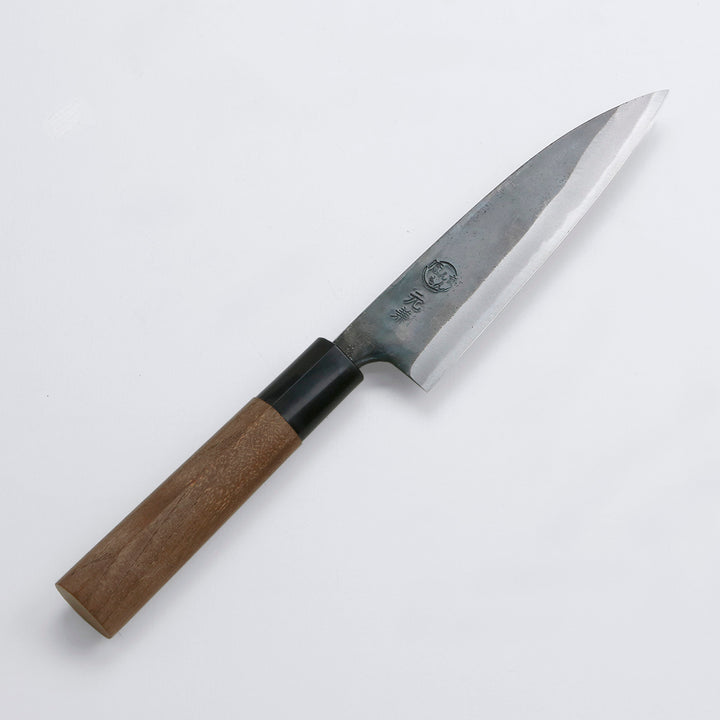 "MOTOKANE" Kurouchi
|
What is Tosa's traditional technique "free forging"?
Tosa cutlery has a history of 400 years.
Since the entire process, from forging to finishing sharpening, is done by hand by craftsmen, there is a high degree of freedom, and this method is also known as "free forging".
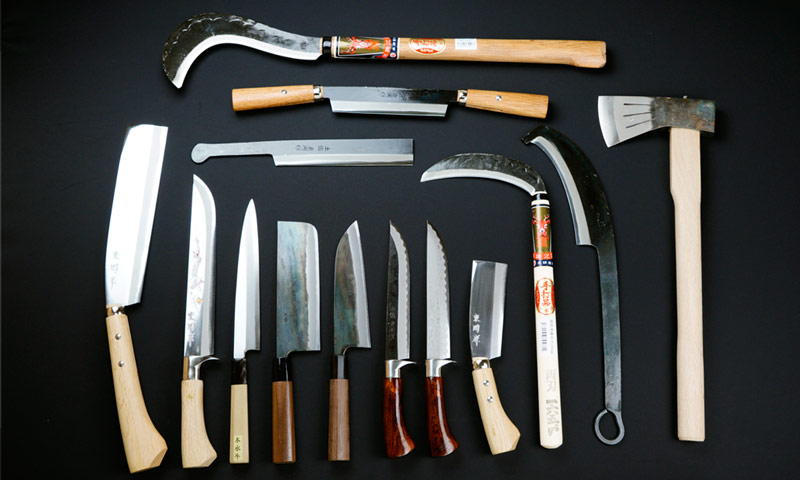
"Fire forging" determines the hardness and toughness of the blade
Sparks fly along with the intense sound of the impact, and
the way the thick steel is instantly transformed into a knife is a true work of craftsmanship.
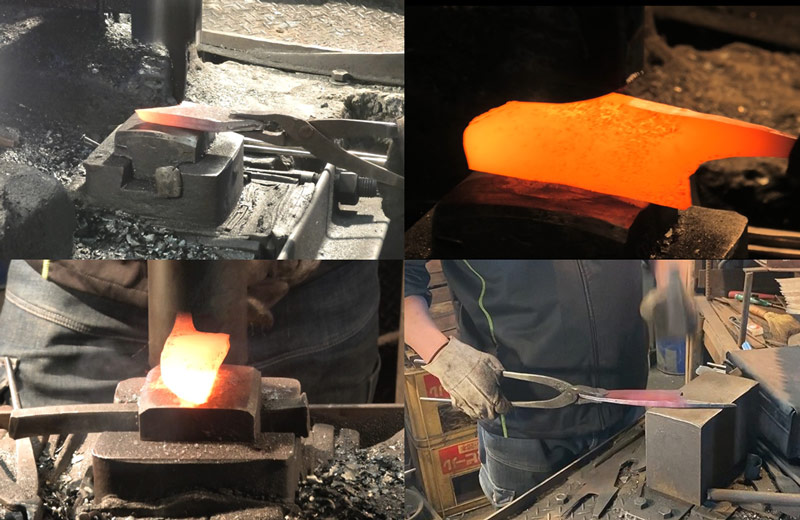
By repeatedly hitting the wood with a hammer and stretching it, impurities are removed and
the structure becomes “dense,” resulting in a hard, yet tough knife.
Rust-resistant "black finish"
A "KUROUCHI" finish that leaves an oxide film that turns black during hardening.
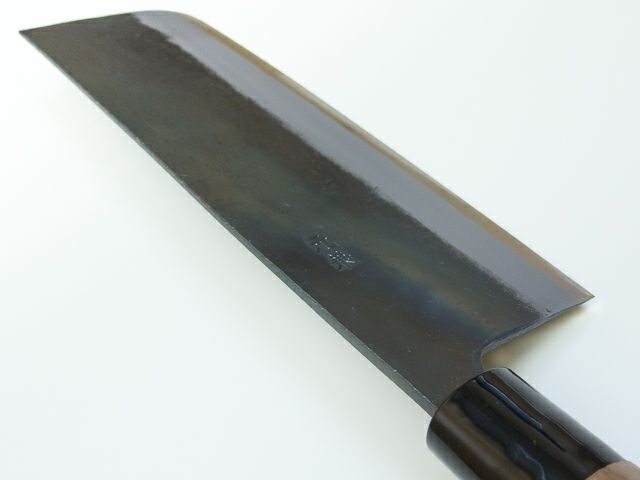
The marks left by the hammering can be seen, giving it a handmade feel by a craftsman, and it is more resistant to rust than a polished finish.
Each black finish is unique.
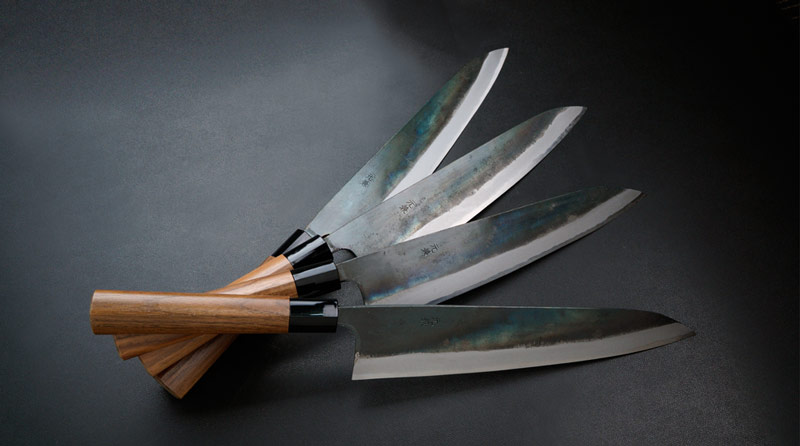
MOTOKANE Tosa KUROUCHI knives have
a unique, vibrant color thanks to the unique process used.
Unlike products that have been pressed or surface treated with solvents,
each knife has a different oxide coating, making them truly one-of-a-kind.
A double-edged sword that can be used in a wide range of genres
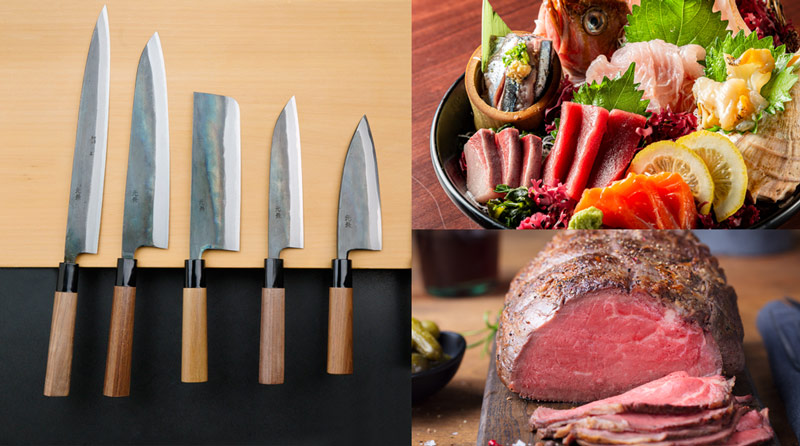
One of the defining characteristics of Tosa handmade knives, which trace their origins back to traditional sword smithing, is their double‑edged design.
This makes them more durable and easier to handle than single‑edged knives, ensuring that anyone can use them with confidence.
These versatile knives Japanese for meat fish are ideal not only for preparing meat and fish but also for a wide range of cuisine,
from delicate Japanese dishes to hearty Western cooking. With their balance of strength and usability, Tosa knives stand out as premium knives Japanese for meat fish that combine craftsmanship,
tradition, and modern practicality.
MOTOKANE Tosa KUROUCHI Knife Evolves Without Being Confined to Processes
MOTOKANE Tosa KUROUCHI knives are made entirely by one craftsman, from forging to sharpening the blade.
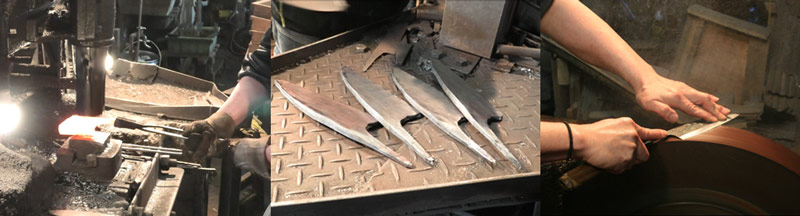
Because we carry out all processes ourselves, we can approach our knives
"Without being limited by the framework of the process" and continue to improve and evolve them.
In this product, in an age of mass production, one can sense the "soul of the craftsman" who pursues "the ideal knife as a tool" rather than productivity.
Knife forging scene by a knife smith
Kitchen knives are the perfect gift
Since ancient times, knives and other sharp objects have been considered auspicious gifts and are the perfect offerings that act as talismans.
It also means "to break new ground," and is used to describe the beginning of life.
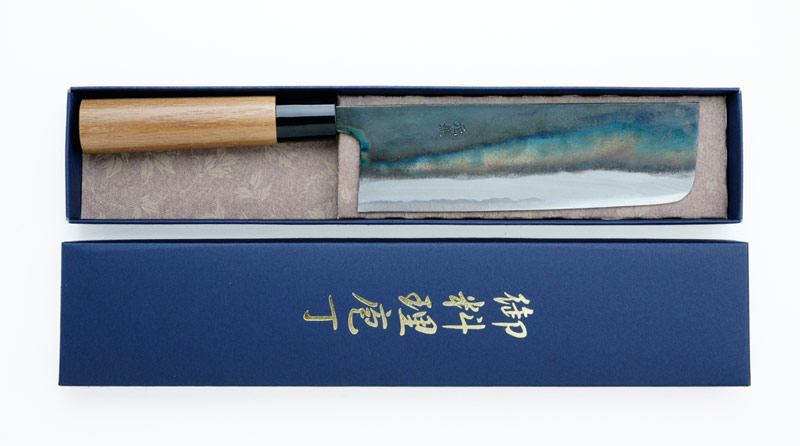
| ◆A wide range of shapes and sizes◆ | |||||
| Walnut Handle | |||||
 Deba |
105 | 180 |
 Funayuki |
150 | |
| 150 | 210 | 165 | |||
| 165 | - | Tosa type | |||
 Gyuto |
180 |
 Kiritsuke Kiritsuke
|
210 |
 Yanagiba |
210 |
| 210 | 240 | 240 | |||
| 240 | - | 270 | |||
 Shell knife |
135 |
 Small knife |
105 |
 Santoku Santoku
|
165 |
| 170 | |||||
 Nakiri |
Aogami Steel No.1 | - | - | - | |
| Aogami Super Steel | |||||
| Zelkova Octagonal Handle, Aogami Steel No.1 | |||||
 Gyuto |
180 |
 Kiritsuke |
165 | ||
| 210 | 210 | ||||
| 240 | 240 | ||||
 Sujihiki |
210 |
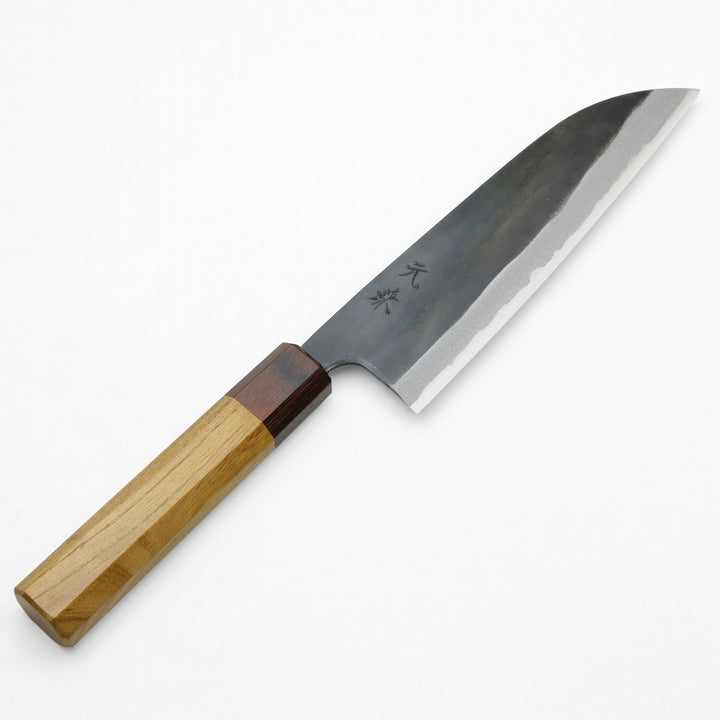 Santoku |
165 | ||
| 240 | |||||
| 270 | |||||
| Red Rosewood Handle, Aogami Super Steel | |||||
 Gyuto |
210 |
 Kiritsuke |
180 | ||
| 240 | 210 | ||||
 Santoku |
170 |
 Nakiri Nakiri
|
165 | ||
| White Oak Handle, Aogami Super Steel | |||||
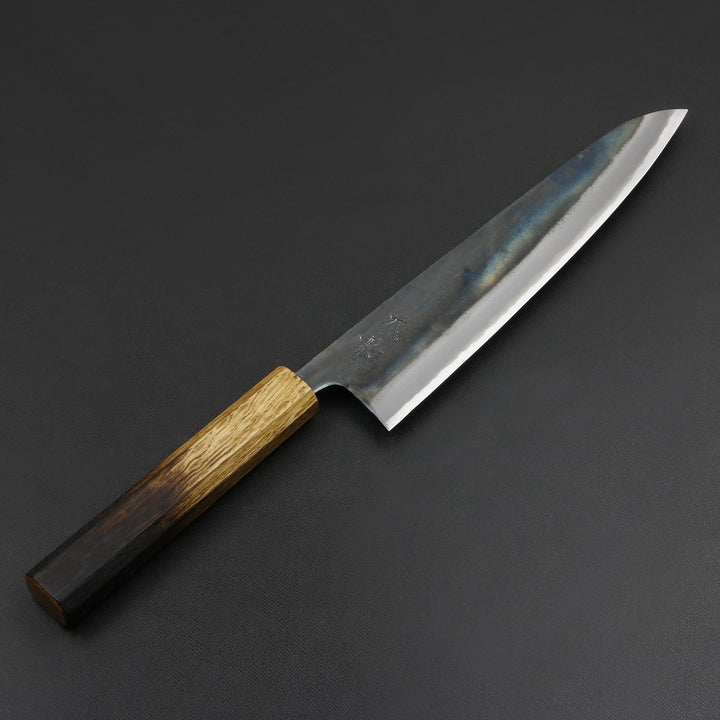 Gyuto |
210 |
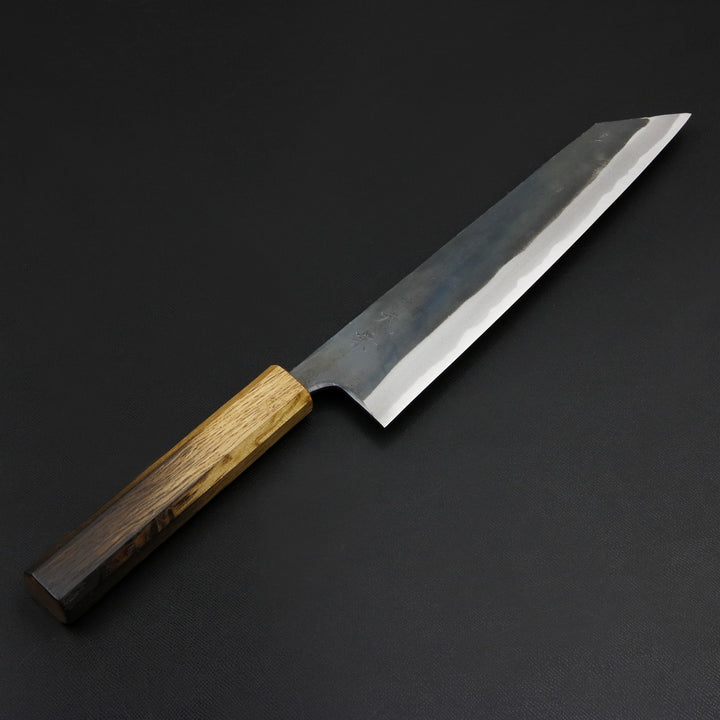 Kiritsuke |
180 | ||
| 240 | 210 | ||||
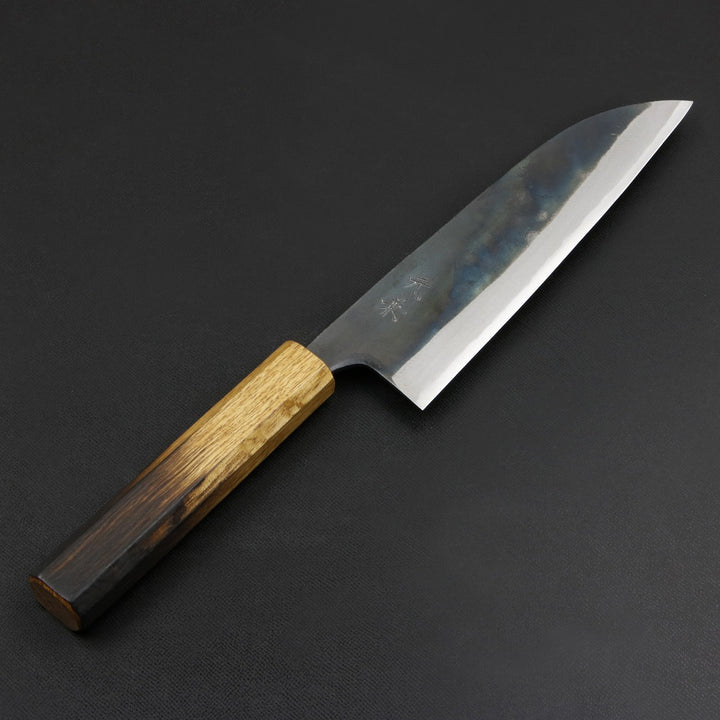 Santoku |
170 |
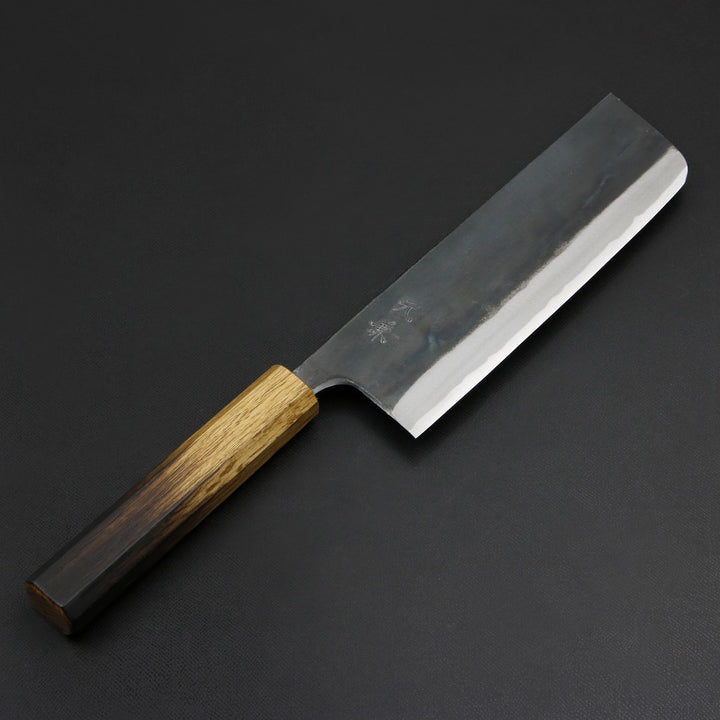 Nakiri |
165 | ||
 Petty |
90 | - | - | ||
| 135 | |||||
| Wooden box | |||||
| Walnut Handle | Zelkova Handle | ||||
 Gyuto |
210 |
 Gyuto |
210 |
 Kiritsuke |
210 |
| 240 | 240 | 240 | |||
| Red Rosewood Handle | |||||
 Santoku |
170 |
 Nakiri |
165 | ||
 Gyuto |
210 |
 Kiritsuke |
210 | ||
| 240 | |||||
| Check out the texture of the black lacquer and 400 years of traditional Tosa techniques! | |||||


