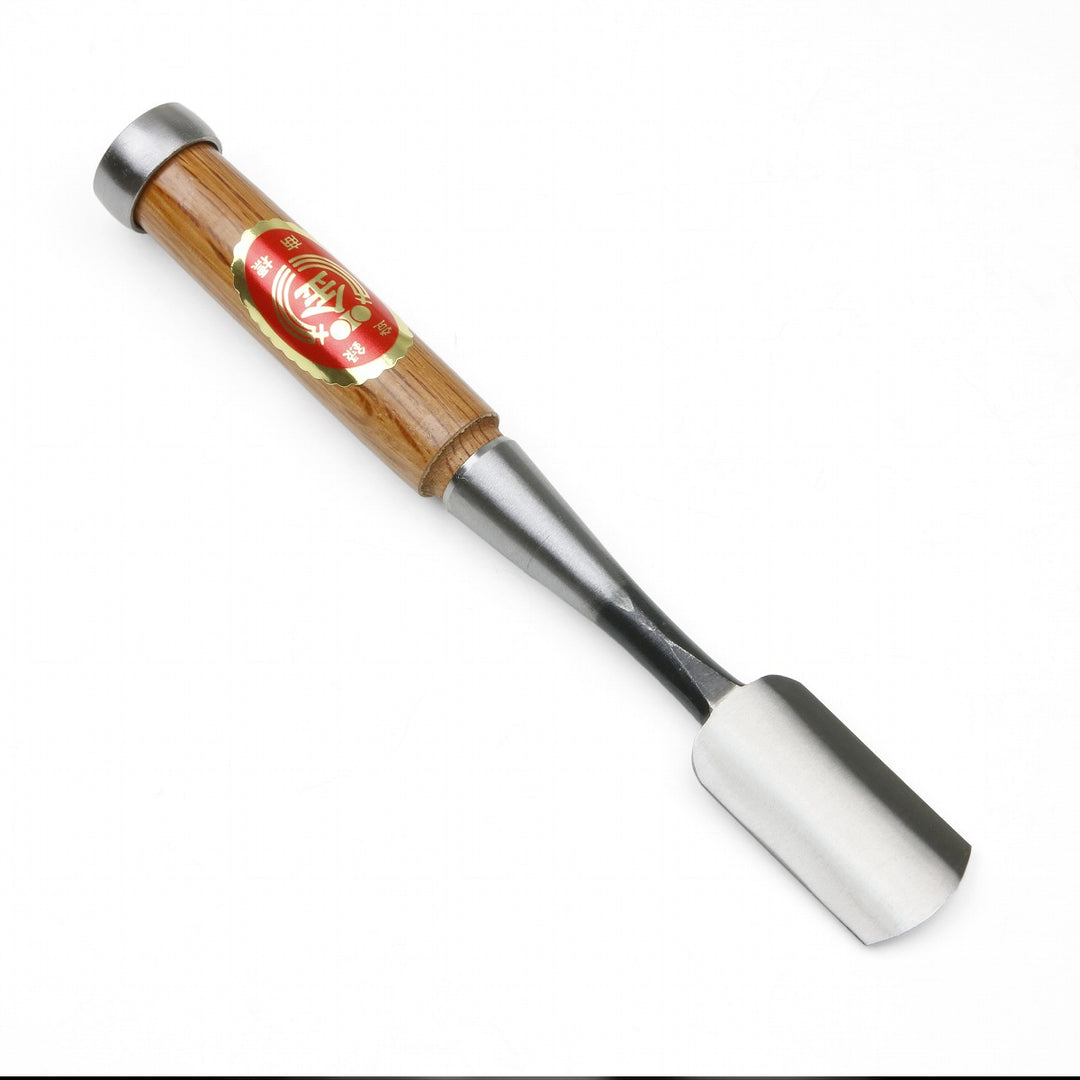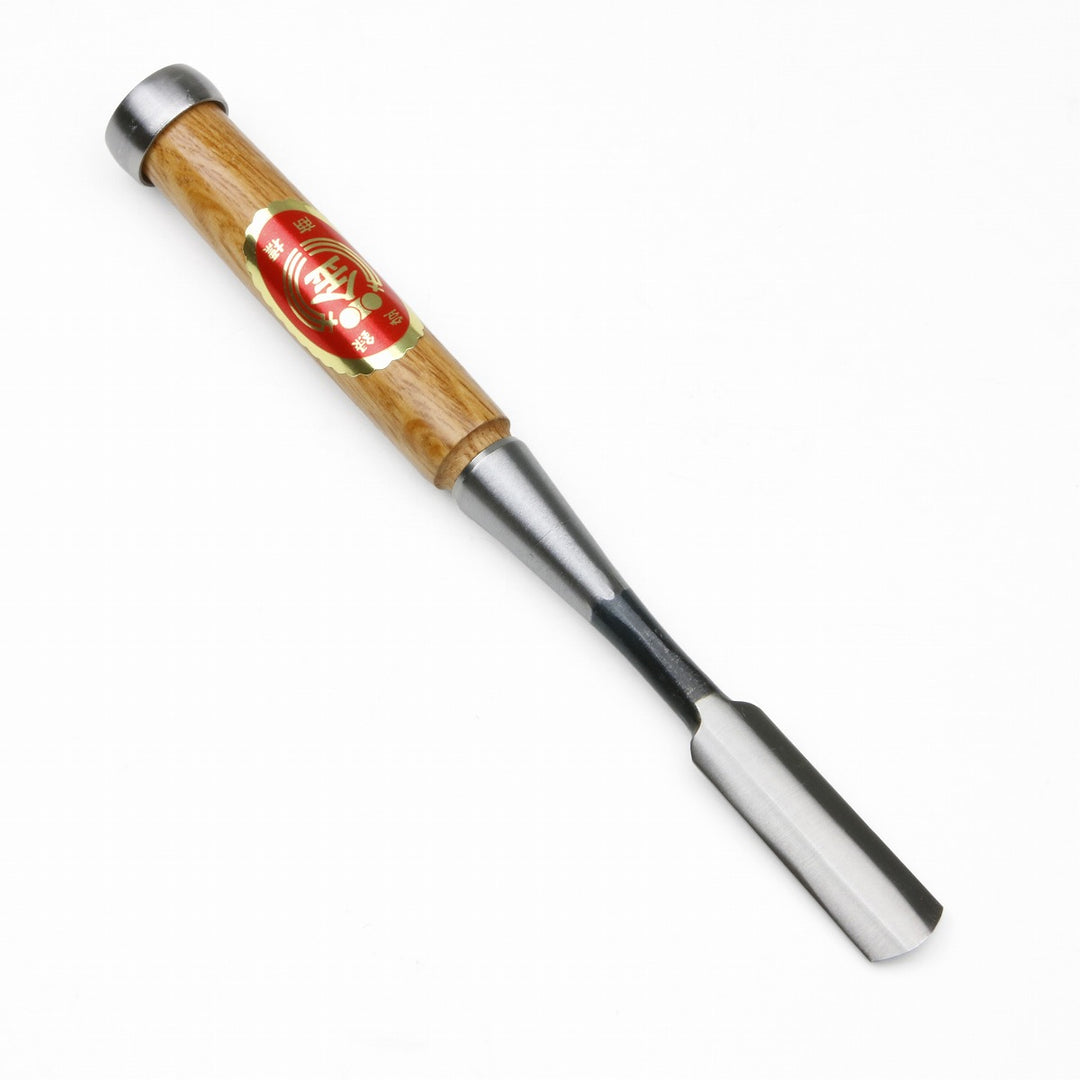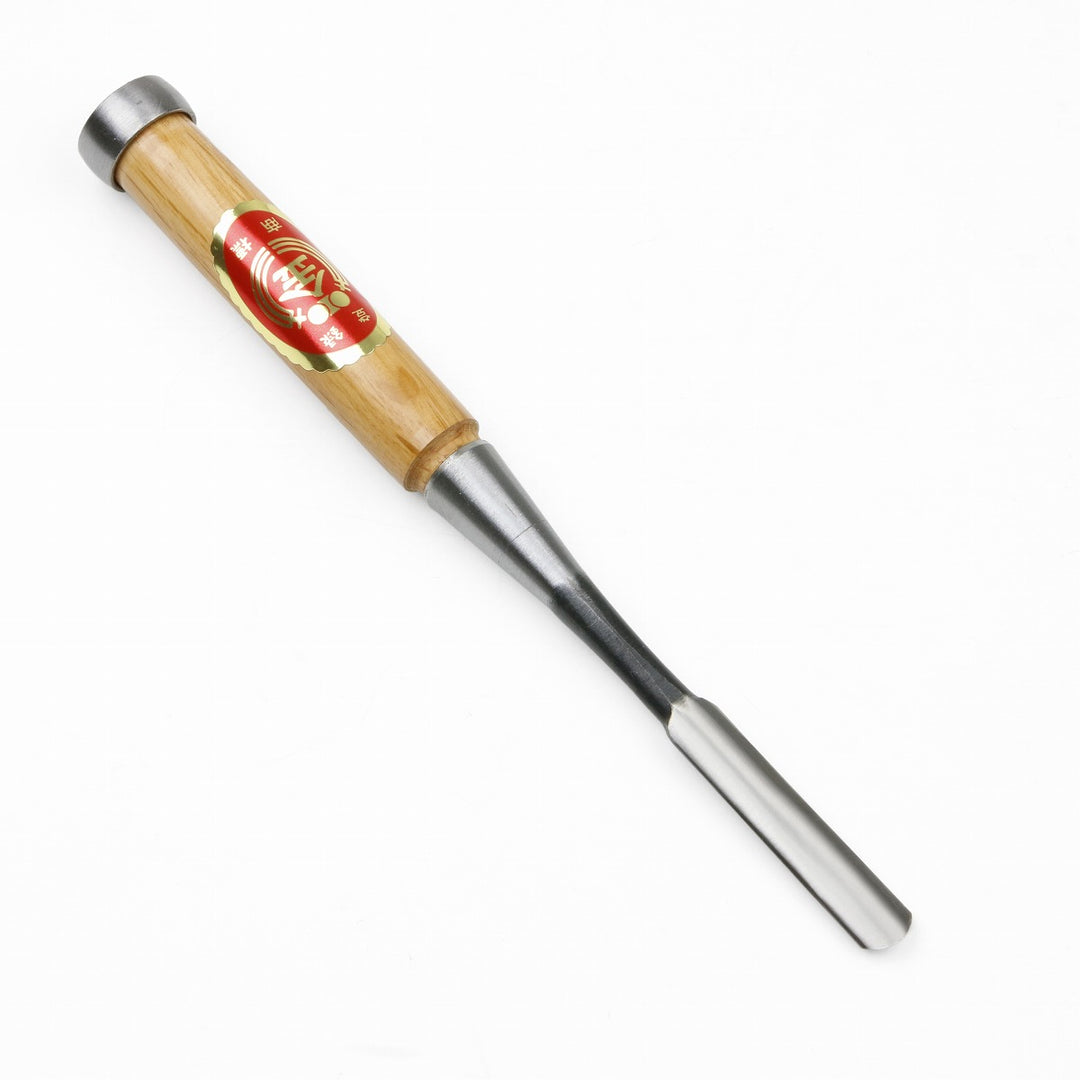
Japanese Chisel
 |
|
 |
 |
Difference between
Western Chisels and Japanese Chisels
 |
 |
|
Structure: Western chisels are typically made from a single piece of high-carbon steel, making them sturdy and well-suited for heavy-duty tasks. The full-steel, flat-back design without any urasuki (concave back) allows them to withstand greater impact forces. Blades: The elongated, thinner blades of Western chisels are ideal for deep cuts and rough shaping. Handles: Traditional Western chisel handles are made of wood, but resin handles have become more common in recent years. Performance: Western chisels have a simple, versatile design and are ideal for general woodworking, especially when durability is important. Sharpening & Use: Better for rougher chopping, heavy hammering, and prying. |
Structure: Japanese chisels use a traditional two‑layer blade called Haganetsuke, combining a hard steel edge with a softer iron backing. The hard steel keeps the edge sharp for a long time, but its hardness also makes it more prone to chipping under strong impact. Blades: Japanese chisels have shorter, thicker blades. The strong jigane backing protects the steel edge, and the compact blade improves control. This makes them excellent for precise joinery and detailed work in any type of wood. Handles: Japanese chisel handles are made from strong hardwoods like red or white oak. Striking chisels include a steel hoop to keep the handle from splitting when used with a mallet. Performance: Japanese chisels are the preferred choice for woodworkers who value traditional craftsmanship paired with precise, reliable performance. Sharpening & Use: Excel at paring, joinery, and detailed work, achieving extremely fine edges. |
|
|
Structure: Japanese chisels use a traditional two‑layer blade called Haganetsuke, combining a hard steel edge with a softer iron backing. The hard steel keeps the edge sharp for a long time, but its hardness also makes it more prone to chipping under strong impact. Blades: Japanese chisels have shorter, thicker blades. The strong jigane backing protects the steel edge, and the compact blade improves control. This makes them excellent for precise joinery and detailed work in any type of wood. Handles: Japanese chisel handles are made from strong hardwoods like red or white oak. Striking chisels include a steel hoop to keep the handle from splitting when used with a mallet. Performance: Japanese chisels are the preferred choice for woodworkers who value traditional craftsmanship paired with precise, reliable performance. Sharpening & Use: Excel at paring, joinery, and detailed work, achieving extremely fine edges. |
|
|
Structure: Western chisels are typically made from a single piece of high-carbon steel, making them sturdy and well-suited for heavy-duty tasks. The full-steel, flat-back design without any urasuki (concave back) allows them to withstand greater impact forces. Blades: The elongated, thinner blades of Western chisels are ideal for deep cuts and rough shaping. Handles: Traditional Western chisel handles are made of wood, but resin handles have become more common in recent years. Performance: Western chisels have a simple, versatile design and are ideal for general woodworking, especially when durability is important. Sharpening & Use: Better for rougher chopping, heavy hammering, and prying. |
There are chisels for metalworking and stoneworking, but the chisels introduced in this category are woodworking chisels used by carpenters on site. Please choose according to your needs.
Chisel product list
| Hammer Chisel | Carving Knives | Set item |
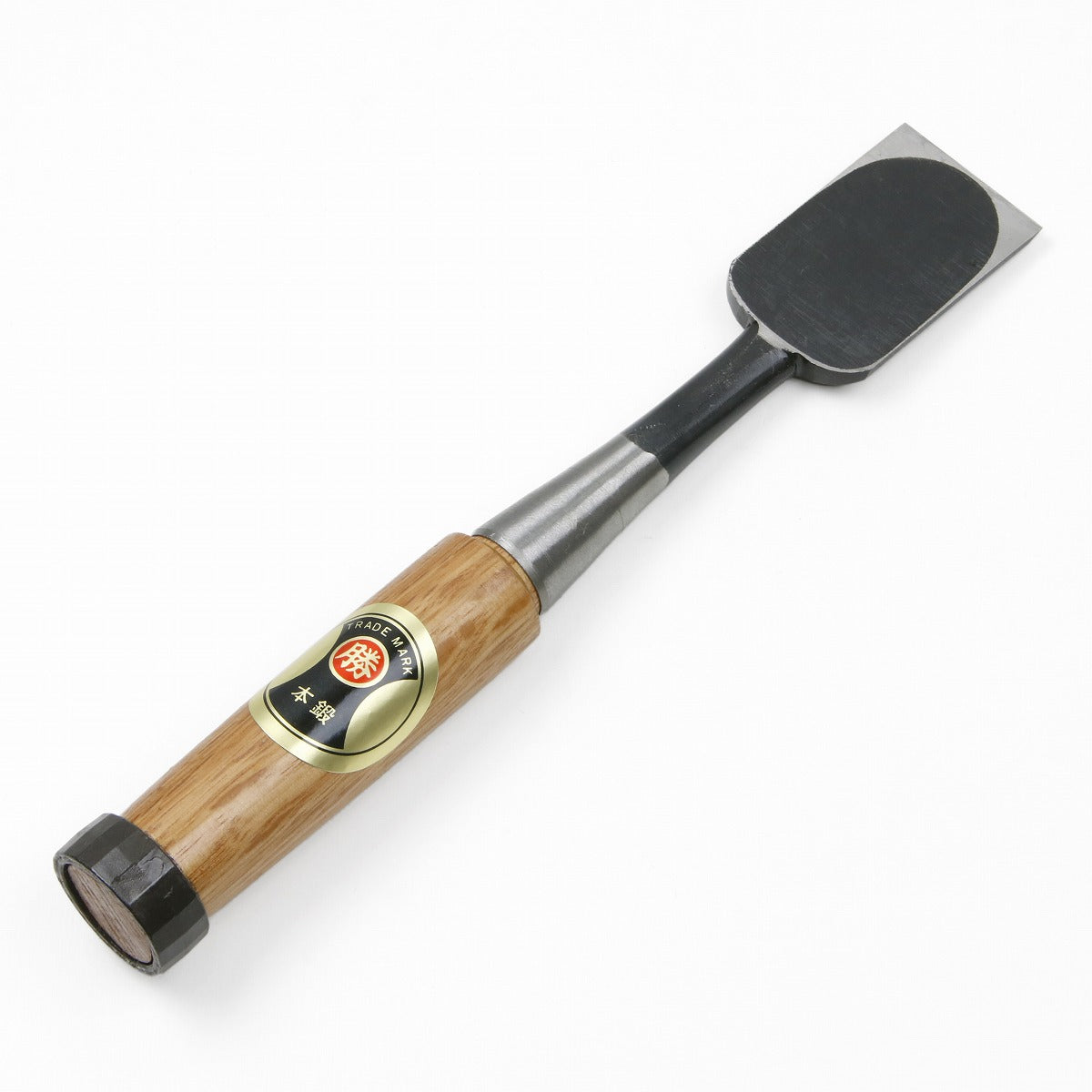 It is a type designed to be used by striking the tail end with a hammer or similar tool. |
 They are often confused with woodcarving chisels, but their purposes are different. Carving knives are used for all kinds of detailed work—woodblock printing, Buddhist statues, Kamakura carving, Noh masks, wooden cutlery, and more. |
 The set contents can be rearranged, so please contact us for details. |
| Select by Brand and Task |
Chisel case | Replacement wooden handle |
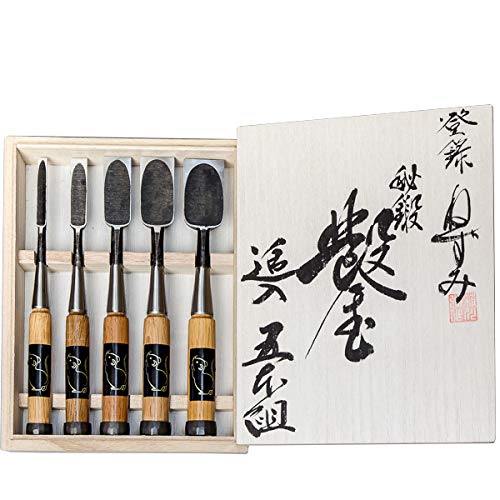 We will introduce them by brand and task. |
 It is a portable carrying case. |
 A well‑used handle can be refitted with a brand‑new one. |
| Hammer Chisel |
|
It is a type designed to be used by striking the tail end with a hammer or similar tool. |
| Carving Knives |
|
They are often confused with woodcarving chisels, but their purposes are different. Carving knives are used for all kinds of detailed work—woodblock printing, Buddhist statues, Kamakura carving, Noh masks, wooden cutlery, and more. |
| Set item |
|
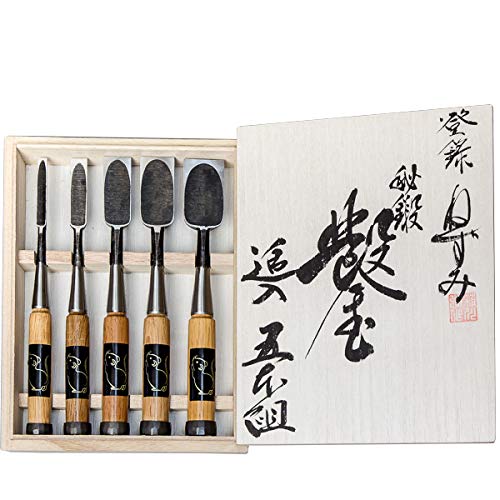
The set contents can be rearranged, so please contact us for details. |
| Select by Brand and Task |
|
We will introduce them by brand and task. |
| Chisel case |
|
It is a portable carrying case. |
| Replacement wooden handle |
|
A well‑used handle can be refitted with a brand‑new one. |
The Best 3 of Japanese Chisels
  "NEZUMI" Oire-Nomi (Bench Chisel) Powder High Speed Steel 30mm 
|
 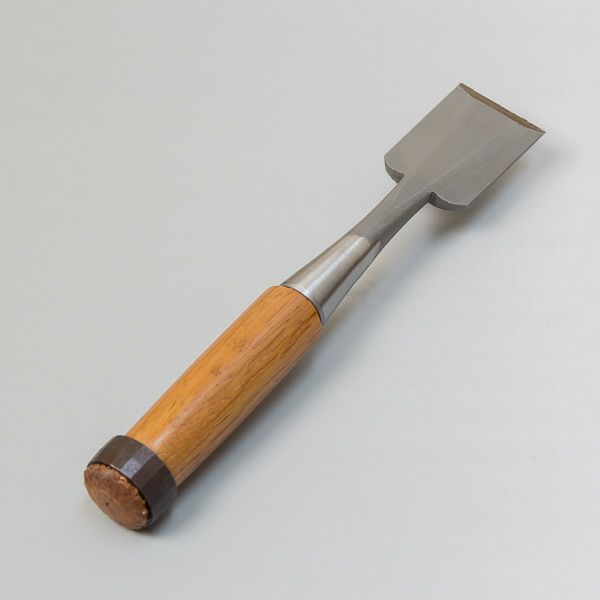 Oire-Nomi (Bench Chisel) High Speed Steel 30mm
|
 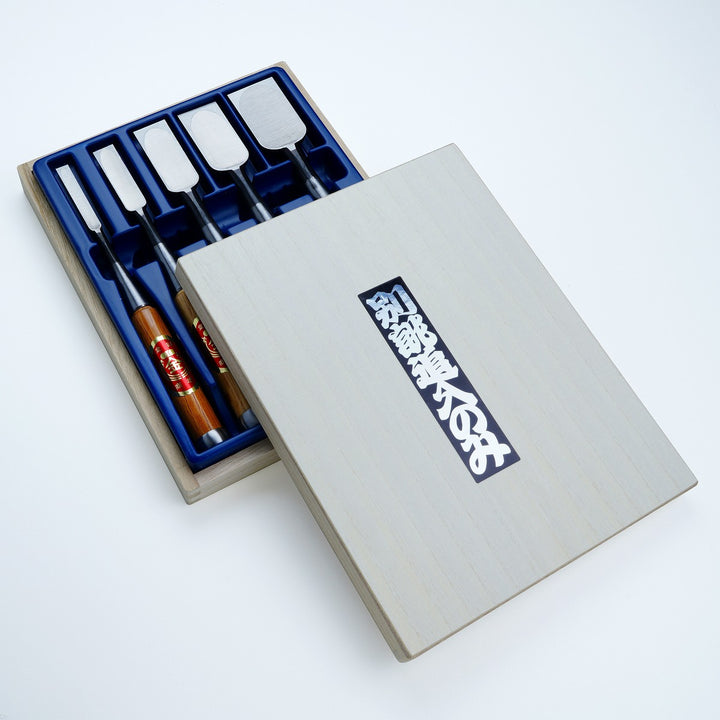 "MARUKIN" Oire-Nomi (Bench Chisel) Shirogami no.2 steel 5pcs set with Wooden box
|
The Best 3 of Set Item

Meaning of the name: The name "Oire" comes from "otte-ireru" (to chase and insert), referring to the process of fitting a horizontal beam into a pillar.
Usage: It is a versatile chisel used for general woodworking, joinery, and creating holes or mortises.
The Best 3 of Oire Nomi
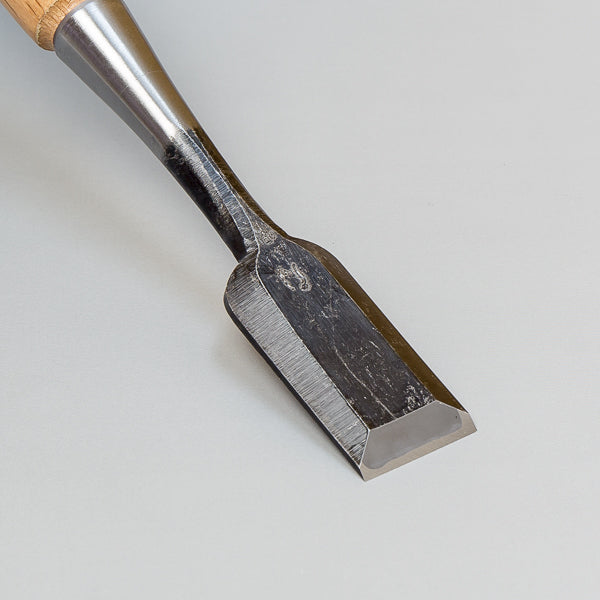 "NEZUMI" Oire-Nomi Shirogami no.2 steel Red Oak Handle, 30mm
|
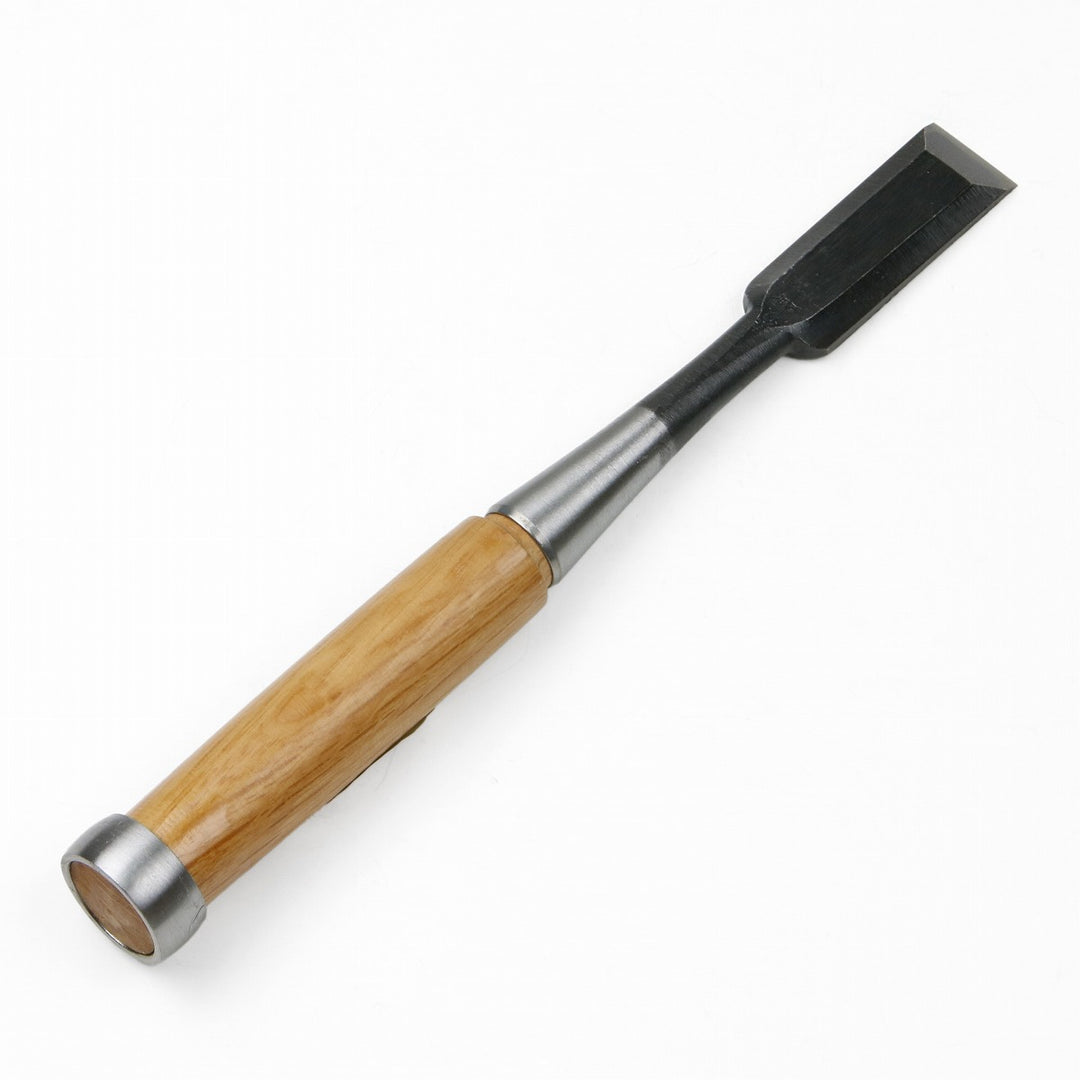 "MARUKIN" Oire-Nomi Shirogami no.2 Steel 21mm
|
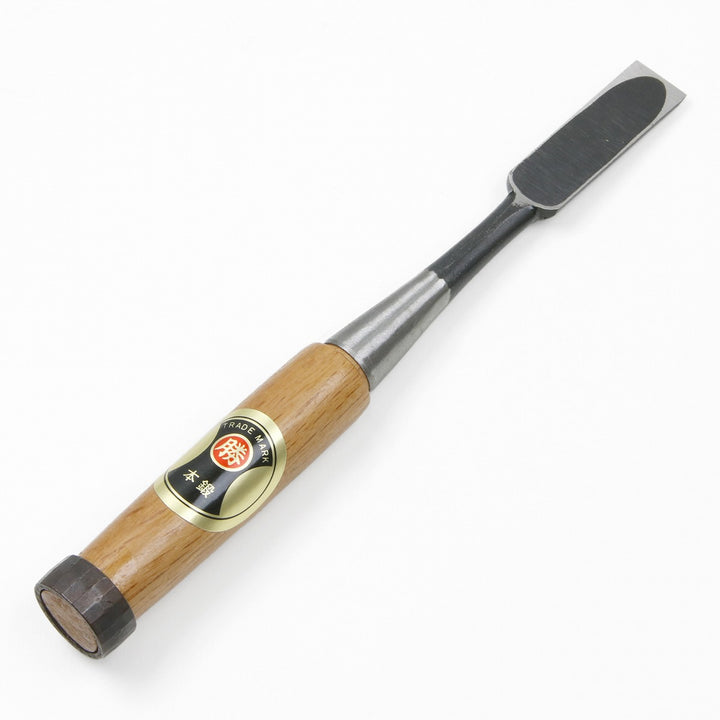 Oire-Nomi High Grade Special cutlery steel, 18mm
|

Flat-neck design: The neck is aligned perfectly straight with the face and back of the blade.
Precision deep mortising: The straight neck acts as a guide, allowing for highly accurate deep-hole digging.
The Best 3 of Hiramachi Oire Nomi
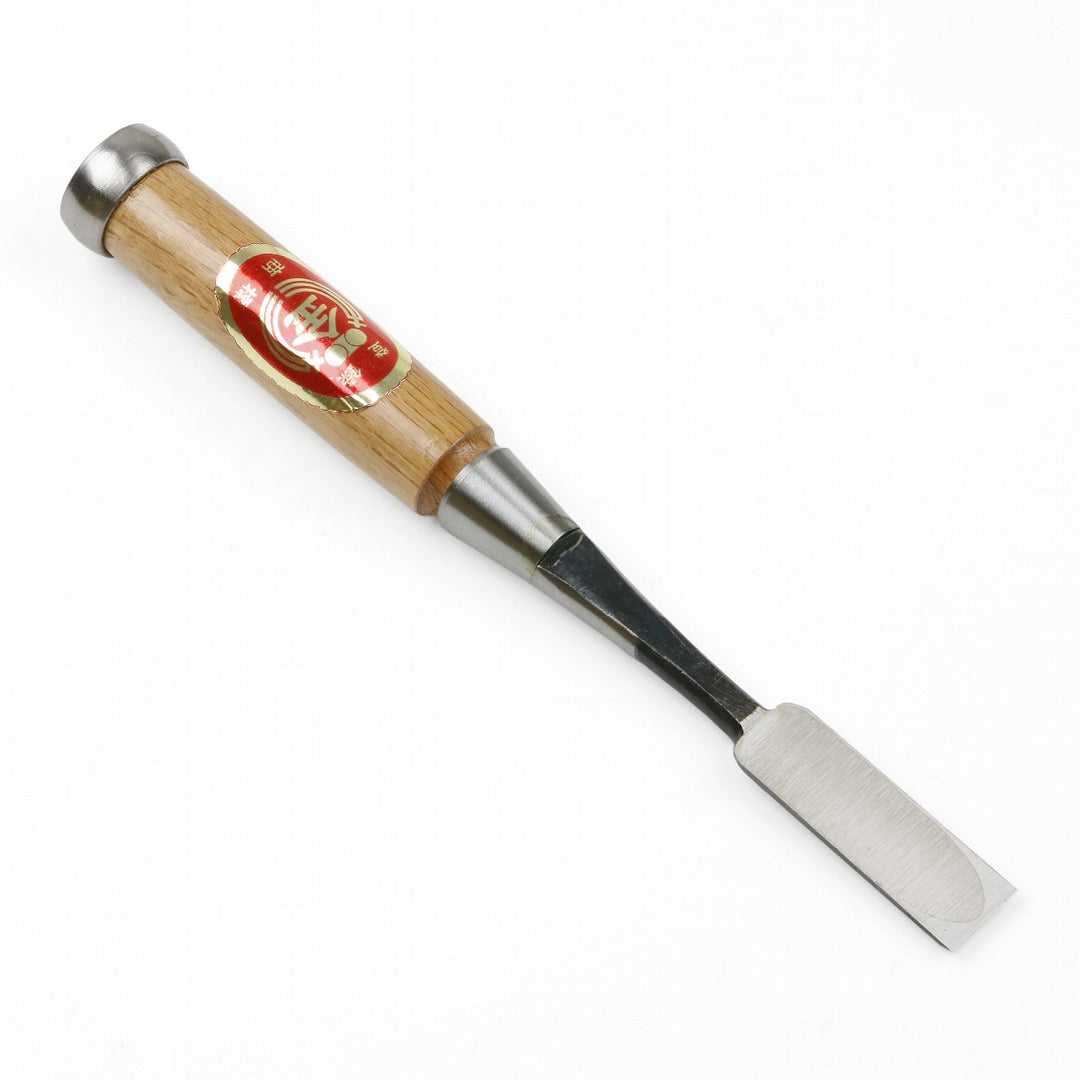 "MARUKIN" Standard Chisel Shirogami no.2 steel, 18mm
|
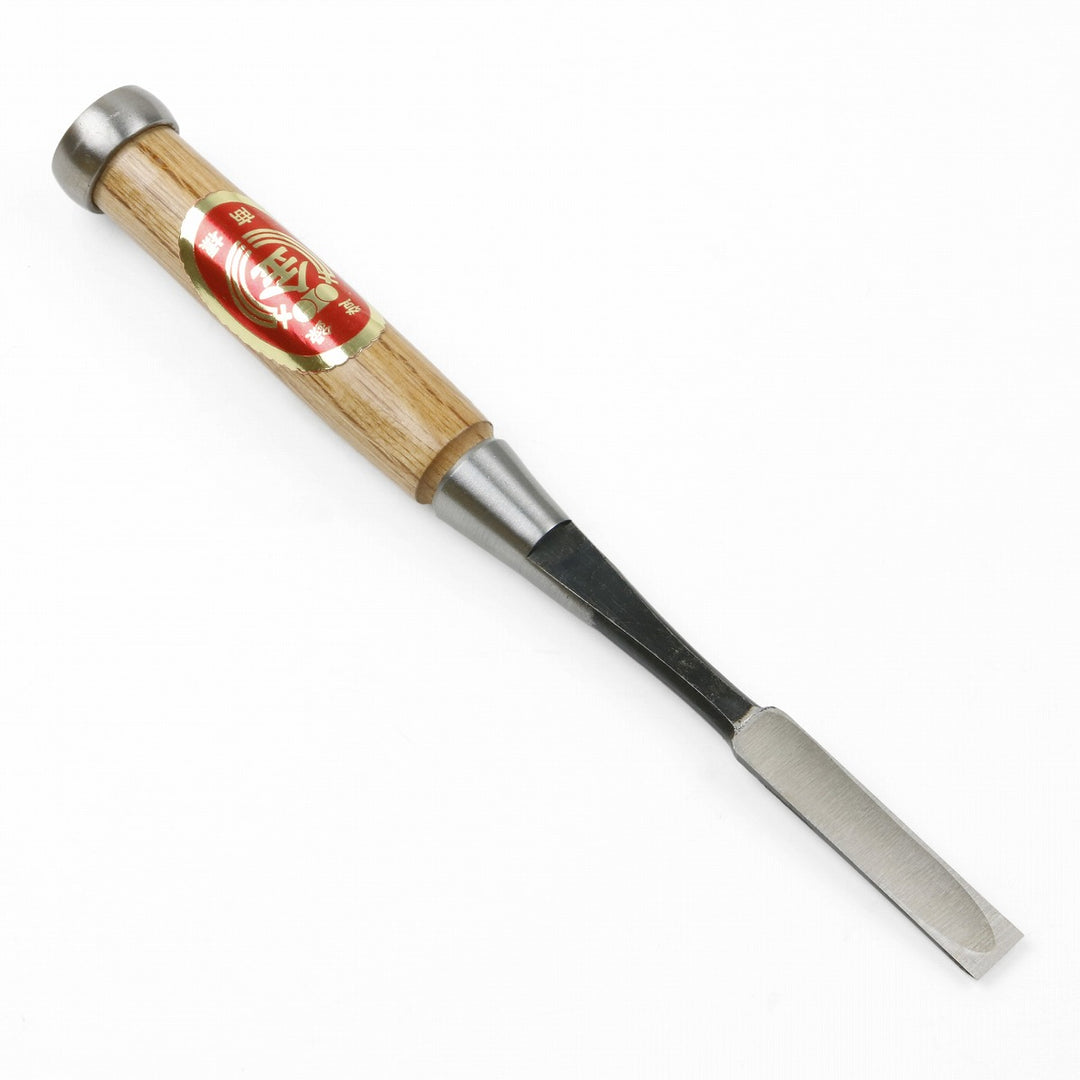 "MARUKIN" Standard Chisel Shirogami no.2 steel, 12mm
|
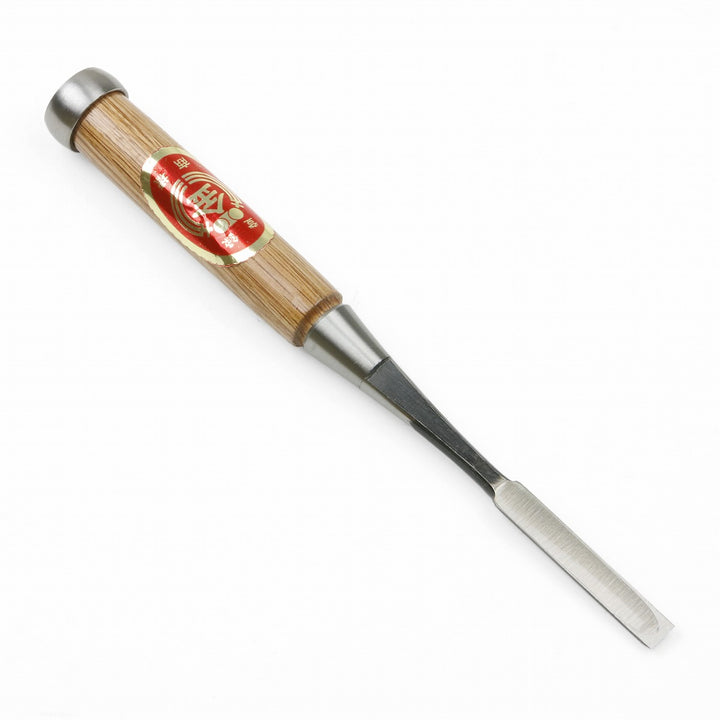 "MARUKIN" Standard Chisel Shirogami no.2 steel, 9mm
|

Medium-thin blade: The blade is slightly thinner than a standard Oire Nomi.
Surface paring: Used for paring or cleaning surfaces parallel to the grain of structural timber.
The Best 3 of Chuusu Nomi
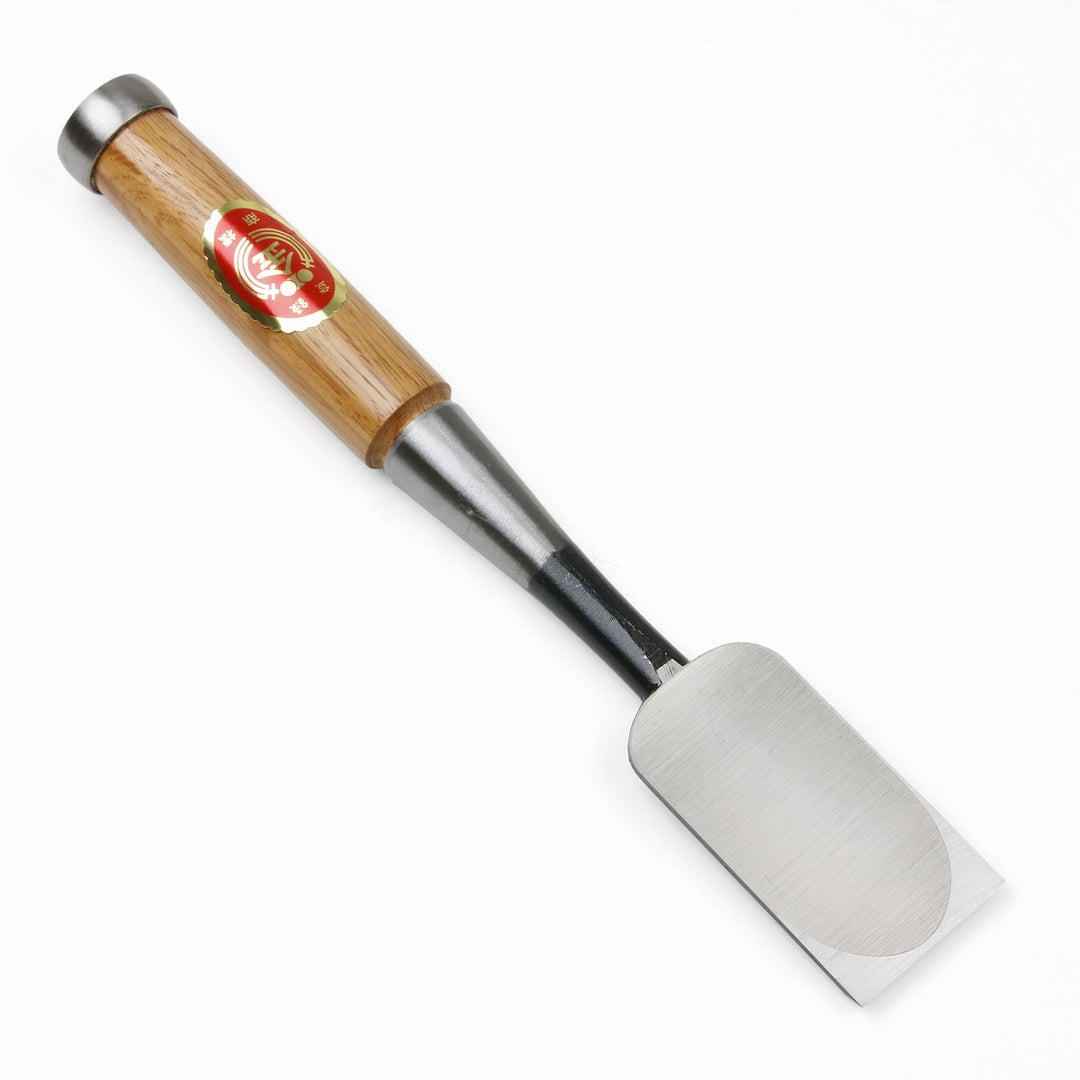
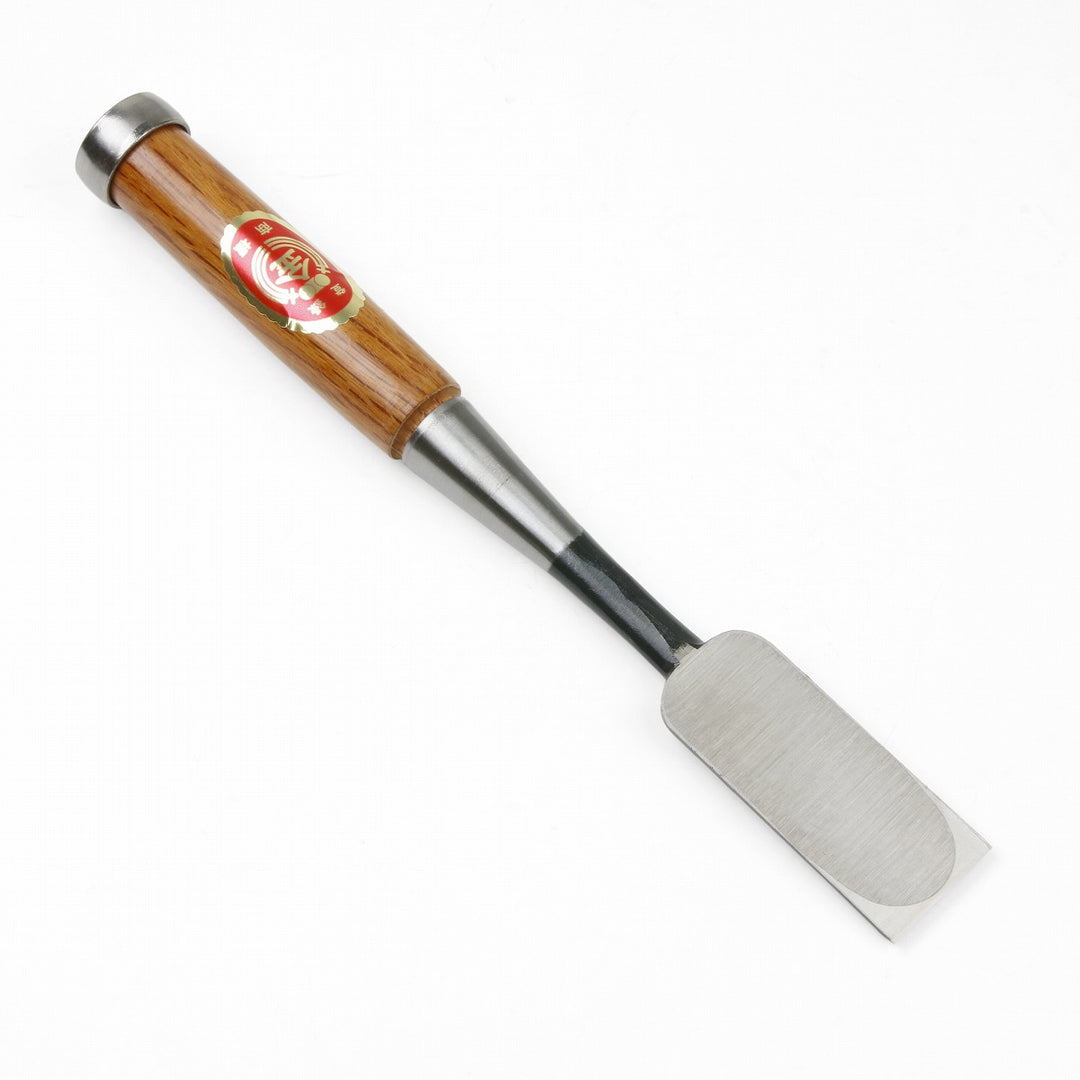
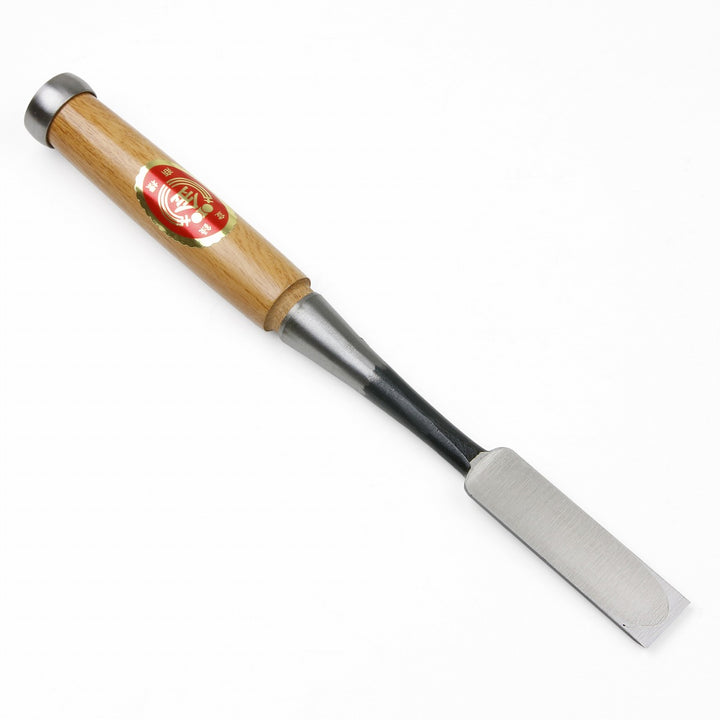

Heavy-duty design: A thick and sturdy chisel built for processing structural timber.
Deep mortising: Used for digging large, deep holes or heavy joinery work.
The Best 3 of Atsu Nomi
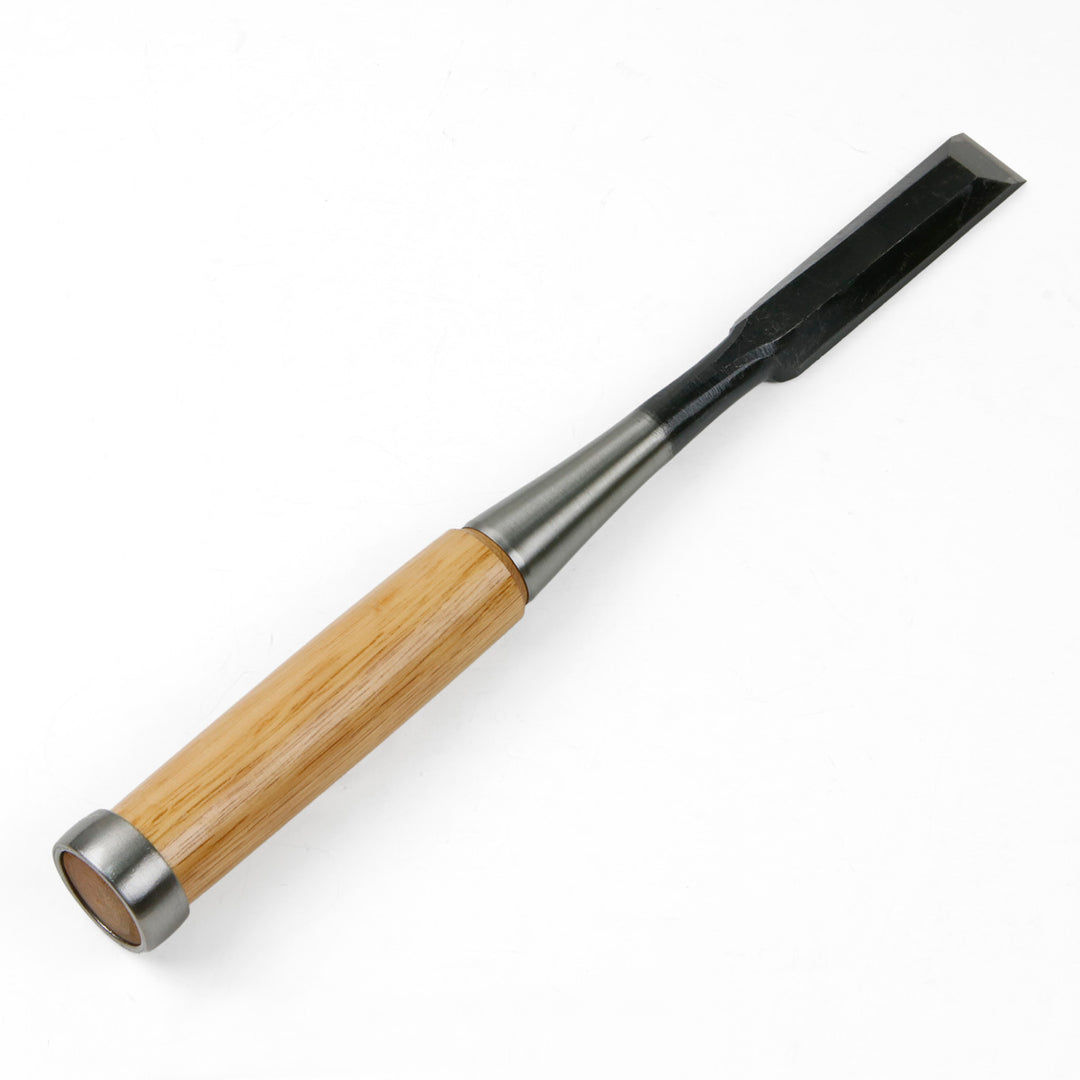 "MARUKIN" Standard Thick Chisel Shirogami no.2 steel, 21mm
|
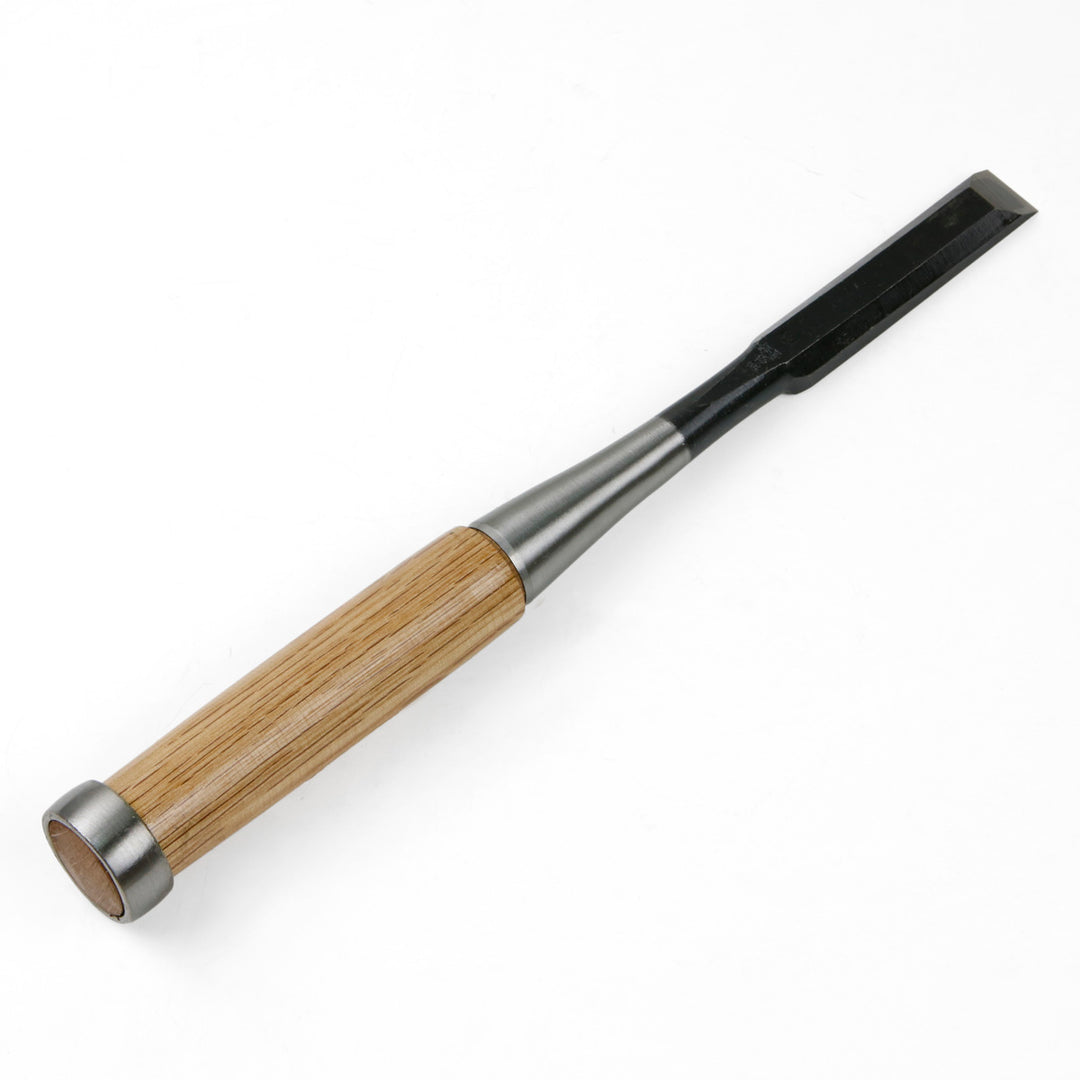 "MARUKIN" Standard Thick Chisel Shirogami no.2 steel, 18mm
|
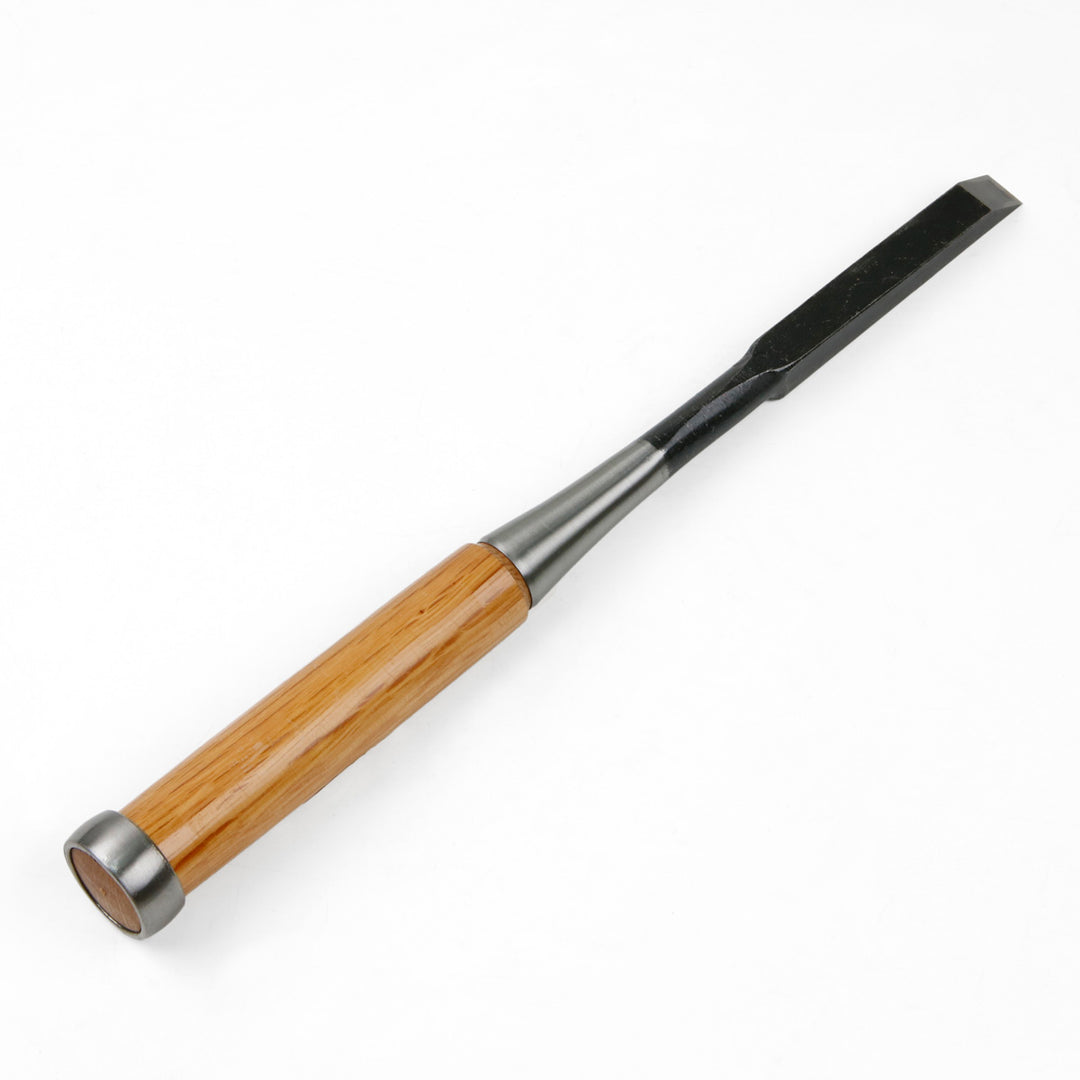 "MARUKIN" Standard Thick Chisel Shirogami no.2 steel, 12mm
|

Convex profile: The back of the blade is curved (arc-shaped), and the cutting edge is rounded.
Curved surface carving: Used for paring or carving concave and curved surfaces.